

The news coming out of New Delhi has sparked a lot of discussion and criticism from the Congress party. The insolvency tribunal, NCLT, has given the green light for businessman Subhash Chandra to pay a measly Rs 6.5 crore to settle a whopping Rs 22,006 crore in dues. This has been seen as not just a "haircut" for the lenders, but a complete mockery of the Insolvency and Bankruptcy Code, 2016.
As expected, there has been no immediate response from Chandra or his group regarding this ruling. However, the insolvency tribunal, NCLT, has approved a repayment plan that has raised a lot of eyebrows. Under this plan, the media mogul will only have to pay Rs 6.5 crore to settle his admitted creditor claims of Rs 22,006.57 crore.
This translates to a haircut of almost 99.97% for the lenders. The NCLT Member, Nilesh Sharma, who ruled on this case as a third member, has approved the plan under Section 114 of the Insolvency and Bankruptcy Code. This decision has faced objections from the lenders who argued that the proposed repayment was too meagre to be accepted.
However, their objections were rejected by Sharma, leading to a split verdict among the two members of the NCLT. This disagreement prompted the president of the forum to appoint Sharma as the third member to resolve the issue. Despite the objections, the plan was approved by the required majority of vote shares, which stood at 80.81%.
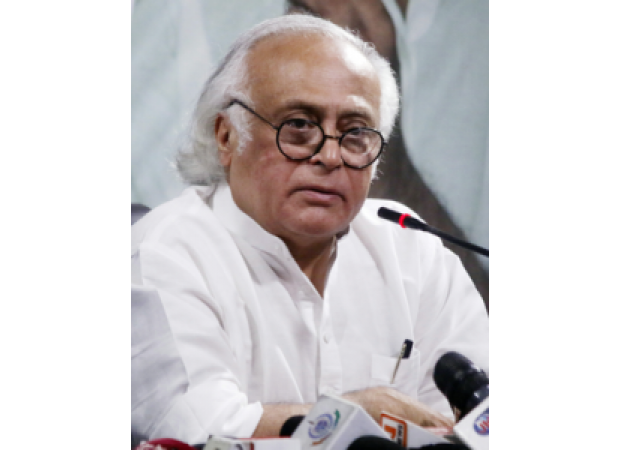
Reacting to this development, Congress leader Ramesh pointed out that in financial terms, when a debtor repays only a portion of the amount owed to creditors, the difference is referred to as a "haircut." He further criticized this decision, stating that it is not just a haircut but a complete "mundan," or a head-shaving ritual, that belittles the Insolvency and Bankruptcy Code, 2016. The order passed by the NCLT, which runs into 144 pages, provides some insight into the reasoning behind this controversial decision. According to the resolution professional's valuation, Chandra's personal estate is worth significantly less than the amount offered under the repayment plan.
Sharma also noted that the dissenting creditors, who were led by LIC Housing Finance, were unlikely to recover more if they rejected the plan and pushed Chandra into bankruptcy. The NCLT's role is not to second-guess the commercial wisdom of the creditors or assess the adequacy of the settlement amount. Instead, their focus is on resolving the debtor's insolvency and putting them back on their feet.
This, in turn, gives the creditors a better chance of recovering their debts directly from the debtor. Therefore, the tribunal found no grounds to reject the approved plan.

2 officials in Bhubaneswar, Odisha were arrested for transferring Rs 9.24 crore of public money to p...
Read More
India and UAE will work together to implement initiatives for trade in local currencies, payment sys...
Read More
CIPET: CSTS, Bhubaneswar and MCL, Sambalpur have signed an MoU for employment-oriented training prog...
Read More
Odisha Tourism Department signs MoUs to boost homestays and adventure/heritage tourism with SBI, Dep...
Read More