


Famous rapper and entertainer, Belcalis Almanzar, more commonly known as Cardi B, has emerged victorious in her legal battle against a security guard who accused her of assault. In a recent ruling, Los Angeles County Judge Ian C. Fusselman has granted Cardi the right to receive $20,000 in trial costs from the unsuccessful plaintiff.
The judge has deemed this amount as reasonable and necessary, covering expenses such as deposition fees, court reporting, and photocopies. This decision comes after a jury unanimously rejected the claims made by Emani Ellis, who accused Cardi of scratching her face during a 2018 encounter at a doctor's office. Furthermore, the judge has also denied Ellis's attempt to pursue a retrial, stating that it is both meritless and frivolous, according to Rolling Stone.
This win adds to Cardi B's track record of successful litigation, as she recently celebrated the dismissal of a $50 million copyright lawsuit over her hit song "Enough." By consistently securing these reimbursements, the rapper is making it clear that she will not tolerate baseless lawsuits targeting high-profile figures. However, while Cardi may be collecting thousands from the security guard case, she is still embroiled in a much larger legal battle against blogger Tasha K. The rapper has been relentless in her efforts to collect the $4 million defamation judgment awarded to her in 2022.
Despite Tasha K's attempts to seek bankruptcy protection and move her business operations offshore, Cardi's legal team has successfully blocked any discharge of the debt, resulting in a court-approved payment plan. As of April 2026, Tasha K has been presented with multiple options to repay the rapper. She can either make monthly payments of $20,000 as ordered by the court, or she can opt for a payment plan that would require her to pay nearly $1.2 million over the next five years, with increasing installments each year.
In a recent effort to pay off her debt, the blogger has even launched a fundraiser, but Cardi's team is still demanding transparency regarding any wire transfers or offshore earnings to ensure that the full $4 million is eventually paid.
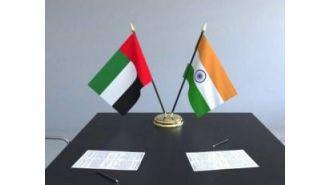
India and UAE will work together to implement initiatives for trade in local currencies, payment sys...
Read More
Xbox exec reassures fans that GTA 6 pre-orders are doing extremely well despite recent layoffs and w...
Read More
Readers debate Rare's best game while one explains why they sold their Xbox Series X console....
Read More
Odisha Tourism Department signs MoUs to boost homestays and adventure/heritage tourism with SBI, Dep...
Read More