
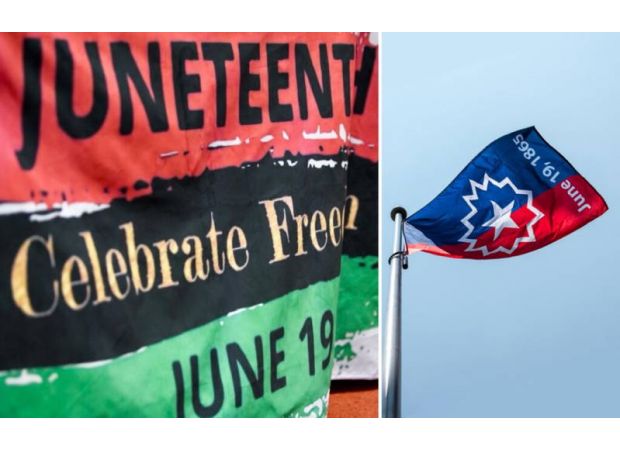

Authored by Orvin Kimbrough The declaration of freedom arrived late. Unfortunately, many still do not experience the complete essence of it. On a scorching day in Galveston, Texas, under the blistering sun, the last enslaved people in America finally heard the words that should have reached them years earlier: You are free.
It was June 19, 1865, a day that would come to be known as Juneteenth. It had been two and a half years since the Emancipation Proclamation, yet freedom had only arrived in words. As our ancestors quickly learned, freedom is more than just being unchained.
It is about having access, empowerment, ownership, and the ability to build, protect, pass down, and shape the future of one's family. On that sacred day, African Americans were promised a new beginning. They were promised forty acres of land to till, a mule to move forward, and a chance to build something of their own.
However, what they received was often just a mirage. The Freedman's Savings Bank was established with promises of security and progress. Black families entrusted their hopes, wages, and future into the institution, putting in the modern equivalent of millions of dollars.
But when it collapsed, it did more than just destroy their savings. It shattered their trust, delayed their dreams, and stole the momentum from a people who were already starting from a far behind point. Yet, despite all the challenges, we are still here.
We are still building, rising, and sowing seeds in soil that was once salted by betrayal. We are still turning grief into growth, pain into principle, and history into instruction. This is why Juneteenth cannot only be a day of remembrance, but also a day of recommitment.
We remember the delayed announcement of freedom, but we also recommit ourselves to the unfinished work of economic liberation. Because liberation is not just about what we are freed from, it is also about what we are freed to build. On this Juneteenth, I believe we are called to rebuild a covenant - a sacred, generational commitment to building wealth, passing down wisdom, strengthening families, shaping institutions, and ensuring that our descendants do not have to start from scratch.
To our allies reading this - our neighbors, co-workers, board members, civic leaders, and friends - this is not just Black history, it is American history. It is not just Black work, it is shared work. Because when any community is locked out of opportunities, the whole country is weakened.
And when communities rise, we all gain greater stability, creativity, prosperity, and strength. Every week, I meet people who are trying to do just that. People who want to start businesses, buy homes, own land, build credit, invest wisely, and create something their children can stand on.
Recently, I facilitated a session on Black Liberation Finance. In that room, I saw people grappling with one of the most crucial questions of our time: What does it mean to move from surviving history to shaping the future? I often hear talks about reparations, and while that conversation is essential, I also see something more profound emerging.
I see people redefining repair not just as something that may be given, but also as something we must pursue through work, ownership, investment, discipline, strategy, coalition, and long-term thinking. That is what covenant living is all about. So, let us not just keep these as ideas; let us make them our marching orders.
Let us make them our covenant. The 10 Black Commandments for Legacy and Liberation 1. Thou Shalt Own Property and Land Ownership is power.
Our ancestors were forced to work on soil they did not own, building wealth for others while being denied the right to build stability for themselves. Today, we must reclaim what was taken from them. Land is not just dirt; it is leverage, identity, and security.
It is a place to stand, build, and pass down for future generations. Property ownership gives families options, communities roots, and future generations a foundation. We cannot treat ownership as optional if liberation is our goal.
We must learn how to acquire, protect, improve, and transfer property. We must teach our children that land is not just something to live on, but something to steward. Ownership is not just about possession; it is about power, responsibility, and legacy.
2. Thou Shalt Engage in Politics - From the Block to the Ballot Freedom without a voice is fragile. From zoning laws to school boards, from city halls to state legislatures, policies shape our daily lives.
We must vote with intention, serve with conviction, and hold those in power accountable. Representation is crucial, but representation without results is not liberation. We must ask ourselves, what has moved forward under their leadership?
Have our schools improved? Have our neighborhoods strengthened? Have families gained access to housing, capital, safety, health, and opportunity?
Liberation requires participation, accountability, courage, and measurable progress. 3. Thou Shalt Be Educated - In Mind, Trade, and Spirit There was a time when our people were punished for learning to read.
Today, knowledge remains one of our greatest forms of resistance. Whether in universities, trade schools, churches, barbershops, boardrooms, or living rooms, we must learn, teach, question, and liberate. But we cannot outsource our development.
No school, employer, church, mentor, or institution can want growth for us more than we want it for ourselves. We must take ownership of our learning - reading, studying, asking better questions, building new skills, and preparing ourselves for doors that have yet to open. Education is not just about credentials; it is about capacity, discernment, and being equipped to lead, build, serve, earn, and pass wisdom forward.
We will not wait for permission to grow; we will pursue knowledge as an act of freedom. 4. Thou Shalt Own and Champion Black Enterprise and Leadership Freedom must have a storefront and a seat at the table.
From corner businesses to corporate headquarters, Black entrepreneurship, and Black leadership are resistance in motion. We must build, buy, believe in, and support Black enterprise whenever possible. We must also celebrate those who walk into boardrooms with brilliance, boldness, and purpose.
But championing does not mean applauding without accountability. It also means having the tough conversations that foster growth, strengthen standards, and help our businesses and leaders become better. Support should not make us silent; love should make us honest.
Ownership, enterprise, and leadership matter. This piece, written by Orvin Kimbrough, speaks to the concept of freedom and its delayed arrival for many individuals. The author reflects on the historical significance of June 19, 1865, when the last enslaved people in America were finally informed of their freedom in Galveston, Texas.
However, as the author points out, freedom is more than just the absence of chains. It encompasses access, agency, ownership, and the ability to build a better future for oneself and one's family. The author acknowledges that although African Americans were promised a new beginning on that sacred day, the reality was often different.
The Freedman's Savings Bank, which was meant to provide security and progress for Black families, ultimately collapsed and caused significant harm. This event not only destroyed savings, but it also shattered trust and delayed dreams for a people who were already starting from a disadvantage. Despite these challenges, the author notes that the Black community continues to persevere and rise above.
They are turning their grief into growth, pain into principle, and history into instruction. The author believes that Juneteenth should not only be a day of remembrance, but also a day of recommitment to the work of economic liberation. The author emphasizes the importance of this work not only for the Black community but for the entire country.
They believe that when one community is denied opportunities, it weakens the entire nation. On a personal level, the author has seen individuals who are determined to create a better future for themselves and their families. They want to start businesses, buy homes, and invest wisely in their children's future.
The author also shares their experience of facilitating a session on Black Liberation Finance, where they witnessed people grappling with the question of how to move from surviving history to shaping the future. They also mention the growing conversation around reparations and reframing the concept of repair to include the pursuit of work, ownership, investment, discipline, and long-term thinking. In this spirit, the author presents the "10 Black Commandments for Legacy and Liberation" as a covenant for building a better future.
These commandments include owning property and land, engaging in politics, pursuing education, championing Black enterprise and leadership, and more. The author believes that ownership is power and that Black people must take ownership of their learning and their businesses to truly achieve liberation. The author concludes by emphasizing the importance of not just applauding Black enterprise and leadership, but also holding them accountable and having tough conversations that foster growth and improvement.
They believe that ownership, enterprise, and leadership matter and will ultimately lead to a better future for all.

David Grain is central to an $8 billion telecom deal that may reshape U.S. wireless, as Grain Manage...
Read More
Across Europe, fuel prices, poor schools, weak public services, and a housing crisis are fueling wee...
Read More
Exelon CEO Calvin Butler gave an emotional acceptance speech at the 2026 Black Enterprise XCEL Summi...
Read More
Square Enix brings back turn-based combat and 2D visuals in a retro Final Fantasy spin-off starring ...
Read More