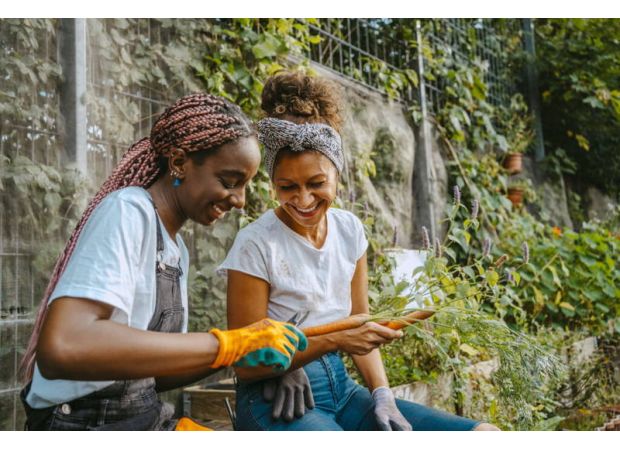

As conscious consumers continue to prioritize ethical production, Black-owned companies are stepping up to the plate. They are embracing sustainability as a core value and incorporating it into their business models through eco-friendly materials, ethical labor practices, and community-centered missions. These brands, which span across fashion, beauty, and lifestyle goods, are not only transforming responsible commerce, but also reducing their environmental impact.
One such company is BLK + GRN, founded by Dr. Kristian Henderson. This all-natural online marketplace connects consumers with non-toxic products made solely by Black artisans.
The platform offers a range of plant-based skincare and wellness products, as well as home goods that are cruelty-free and free of harmful chemicals. The inspiration behind BLK + GRN was the health disparities caused by toxic products, and the company remains committed to its sustainability focus through clean formulations and ethical sourcing. Another brand making waves in the sustainable space is Hamilton Perkins Collection, established by Hamilton Perkins in Norfolk, Virginia in 2014.
This company creates bags and accessories from recycled materials such as plastic bottles, pineapple leaf fiber, and repurposed banners. Their "Earth Bags" collection aims to reduce waste and provide affordable, durable products. Through their transparent supply chain, Hamilton Perkins Collection is leading the way in circular fashion innovation by reducing carbon emissions and water consumption.
The Honey Pot Company, founded by Bea Dixon, is on a mission to transform the feminine hygiene market through herbal-based plant products. This pioneering brand is focused on sustainable sourcing practices and toxin-free formulations. Through their eco-conscious methods and holistic wellness approach, The Honey Pot Company has expanded to a national scale without compromising their dedication to clean and environmentally responsible production.
Brother Vellies, established by Aurora James, is a luxury accessories brand based in New York. Their shoes and handbags are created using traditional African methods and sustainable materials. The brand prioritizes artisanal craftsmanship, ethical labor practices, and low-impact production methods in order to preserve cultural heritage through small-batch manufacturing.
New York-based jewelry company, Yam, sets itself apart by creating distinctive pieces using recycled metals and materials. They produce items on demand, eliminating excess production and waste, and use recyclable packaging. Yam is part of the slow fashion movement, as consumers now consider the environmental impact of their accessories purchases.
Elexiay, founded by Elyon Adede, is a brand that produces handmade crochet garments in Nigeria. The brand follows a slow-fashion approach, utilizing manual production methods that reduce environmental harm and protect traditional cultural craft techniques. Elexiay demonstrates their commitment to sustainability through ethical labor standards, limited use of machinery, and the use of recyclable materials, showing their dedication to environmental and social responsibility.
Tracy Reese's U.S.-based fashion brand, Hope for Flowers, sets itself apart by implementing sustainability across all production phases. The brand uses organic cotton and Tencel fabrics, which are biodegradable, and avoids synthetic materials. They also ensure fair wages for their employees and produce limited quantities of their products, encouraging customers to make conscious choices that can create environmental transformation.
KNC Beauty, founded by Kristen Noel Crawley, is a leader in the eco-friendly beauty industry. They produce natural collagen lip masks and other clean beauty products, all formulated with cruelty-free principles and environmental consciousness in mind. Through their successful combination of sustainable practices and accessible products, KNC Beauty is changing the game in the world of clean beauty.
As we celebrate Earth Day, it's important to remember that caring for the environment goes beyond just one day. These Black-owned companies are paving the way for a more sustainable future, and by supporting them, we can all do our part in creating positive environmental transformation.

Readers are surprised by Super Mario 64's 30th anniversary and one defends Marvel's Wolverine on the...
Read More
Trump's ban on three news outlets from the White House has been temporarily blocked by a judge, but ...
Read More
Readers debate Rare's best game while one explains why they sold their Xbox Series X console....
Read More