
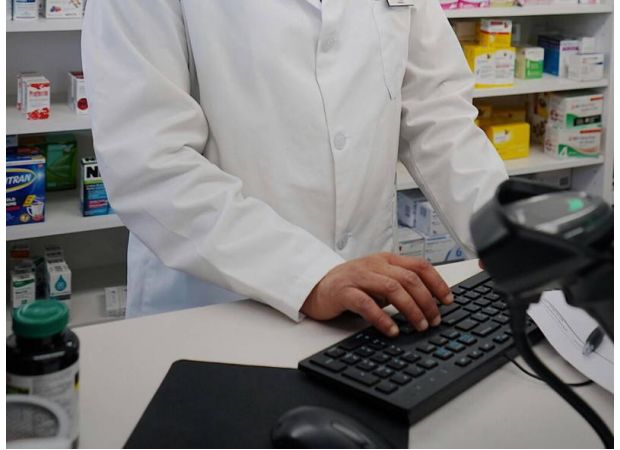

According to a recent report from Afrotech, Chicago Alderman William Hall is determined to tackle the issue of limited access to prescription medication in underserved neighborhoods. In light of the closure of a long-standing pharmacy on the city's South Side, Hall has announced plans to launch a pilot program in July 2026. This initiative is part of a larger proposal to establish a city-run Office of Pharmacy Access, which would aim to improve pharmacy services across all 77 community areas in Chicago.
The closure of a Walgreens store in the Chatham neighborhood, after serving the community for over 20 years, has raised concerns about the existence of "pharmacy deserts" in the city. The pharmacy chain cited safety concerns and retail theft as reasons for its closure, leaving many residents with limited options for filling their prescriptions. In response to this issue, Alderman Hall believes that the city should take a more proactive approach in addressing the gaps in healthcare access that arise from pharmacy closures.
In an interview with FOX 32 Chicago, he stated, "Walgreens has, in my opinion, created a modern-day form of segregation in medicine. When we asked for assistance on this side of town years ago, they did not provide any solutions or support." The closure of neighborhood pharmacies can have a significant impact on residents who rely on prescription medication. One such resident is George Smith, a Chatham local, who shared his struggles with transportation since the Walgreens closure.
"I have to find a ride, and sometimes insurance provides transportation, but you have to give them a day's notice. So, if something happens to you today, they cannot offer you a ride," he explained. Research from the University of Southern California's Program on Medicines and Public Health has shown that "pharmacy deserts" are more prevalent in low-income communities and areas with significant Black and Latino populations.
This further contributes to disparities in access to essential medications and other healthcare services. To combat this issue, Alderman Hall's proposal involves providing affordable commercial space to independent pharmacists, which would help reduce operating costs and improve access to prescription drugs in underserved areas. He also plans to discuss potential funding options, including redirecting revenue from late-night liquor sales towards the initiative, with Chicago Mayor Brandon Johnson.
The pilot program is set to commence in July 2026, while city officials continue to explore long-term solutions to expand pharmacy access. In other related news, a new non-hormonal pill has been developed to alleviate hot flashes and sleep issues for women going through menopause. This is a promising development for many women who have been seeking alternative options for managing their symptoms.

Material participation is crucial for investors and entrepreneurs to deduct losses from real estate ...
Read More
Readers believe the internet is against Marvel's Wolverine, and one hopes for a higher budget for Ca...
Read More
The Monday letters page debates the value of Marvel's Wolverine, with one reader supporting Sony ove...
Read More
UT linebacker forfeited a game due to buying a $427 plane ticket, now he's using that same amount to...
Read More