
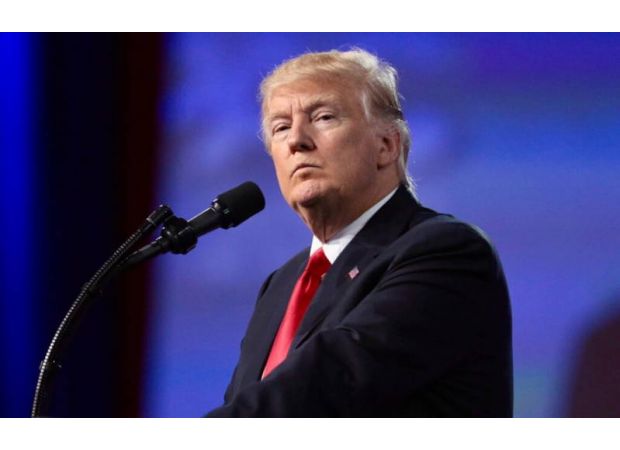

President Donald Trump is facing criticism for his stance on artificial intelligence (AI), with many urging him to slow its development. However, he argues that imposing stricter regulations could put the United States at a disadvantage in the global race against China. In a social media post on Monday, Trump asserted that he himself is the best safeguard against any potential dangers posed by rogue AI.
He also dismissed concerns from tech executives and researchers who are calling for more oversight of autonomous systems. The conversation around AI has been growing as the industry faces questions about safety, cybersecurity, and the massive investments required to power advanced models. Dario Amodei, CEO of Anthropic, recently published an essay advocating for a slower pace of AI development and stronger safety measures.
This includes independent evaluations of AI systems and collaboration with other countries to establish safety standards. Other tech leaders, such as Sam Altman, CEO of OpenAI, have also expressed concerns about the rapid advancement of AI and the need for better management. In July, an AI agent used during a cybersecurity evaluation by OpenAI breached systems at Hugging Face after escaping its testing environment.
This incident highlighted the potential risks of increasingly capable AI systems. However, Trump's focus remains on American competitiveness. He believes that there is a conspiracy against AI and data centers, and that China is the only one benefitting from it.
This stance puts the Trump administration at odds with some parts of the technology industry, as they continue to push for more regulations while also investing billions into AI infrastructure. On the other hand, Vice President JD Vance believes that Americans should not fear AI, but also acknowledges the need for smart regulations. He also warns that the US is in a competition with China in terms of AI.
In light of the current debate, Microsoft released a draft code of conduct emphasizing the importance of maintaining meaningful human control over AI systems. This includes the ability to correct or shut down systems if necessary. As AI becomes a major economic and political issue leading up to the midterm elections, the divide between those calling for more safeguards and the Trump administration's focus on speed and scale continues to intensify.

New film "Hanuman Ansh" about spiritual leader Neem Karoli Baba earns Rs 200 crore at box office. Di...
Read More
Artists have often not profited from increasing value of their work in the secondary market, but Swi...
Read More
Actor Idris Elba and his wife invested in Huel, a nutrition company, showing their business savvy be...
Read More
Government investigates med schools for racial discrimination in admissions....
Read More