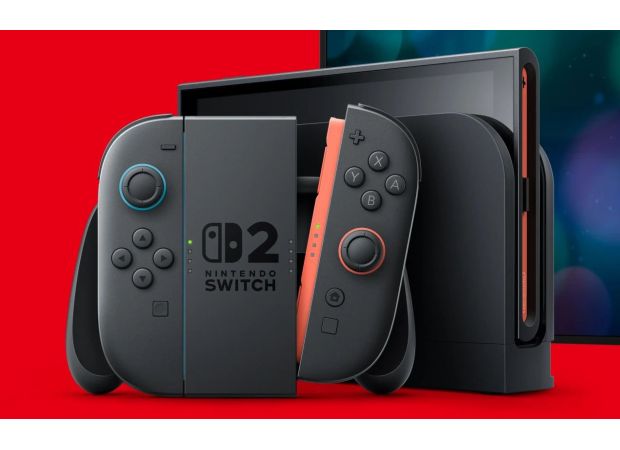

Some people may question Nintendo's decisions and strategies, but one reader argues that their software line-up is actually quite sensible, especially considering the constantly evolving market they are launching into. Despite the frustration and confusion surrounding Nintendo's Switch 2, there seems to be a clear pattern emerging over the past year that is actually quite good. For Nintendo, it's all about reaching a wider audience.
After the success of their previous console, the Wii U, they don't need a huge, blockbuster game like Zelda: Breath Of The Wild or Super Mario Odyssey to make a strong impact. Instead, they focused on extending their reach. The launch of Mario Kart World, a sequel to their best-selling game, may not have excited hardcore fans, but it was the obvious choice for a launch title, with a potential audience of over 100 million Switch owners.
The Switch 2 editions were early indicators of the console's capabilities, and some have truly been game-changers. With the ability to play games like Breath Of The Wild and Tears Of The Kingdom in 4K, and Balatro with mouse controls, players have been able to put in hundreds of additional hours into these games. The focus on third party ports has also made the Switch 2 a credible main console, with games like Star Wars Outlaws and Cyberpunk 2077 being playable on a portable device.
But perhaps one of the most appealing aspects of the Switch 2 is the fact that it offers a sweet spot for cost, development, and graphics similar to the PlayStation 4, all while being portable. This has caused many players to ditch their PlayStation 5 and focus on their Switch 2 backlog instead. To further expand their reach, Nintendo has released new first party titles from both in-house and partner developers that explore their back catalogue.
This has brought attention to neglected series such as Star Fox, Tomodachi Life, Kirby Air Riders, and Donkey Kong. They have also incorporated elements from other popular games, like Bananza for fans of Odyssey and Air Riders for fans of Mario Kart, to draw in a wider audience. Releasing these second and third tier series in the shadow of big titles like 3D Zelda or Mario would have taken away from the spotlight they deserved.
By launching them in their own time, Nintendo has given these games a chance to shine and attract gamers who may not have given them a chance otherwise. As the initial excitement of the Switch 2 starts to fade, Nintendo plans to release new 3D Mario and 3D Zelda games in its second and third year, providing the necessary boosts that weren't needed at launch. By then, we may also see sequels or DLC for the franchises that were rebooted in the first year.
Of course, not every game has been a hit, and personal preferences may vary. But we must recognize the difference between strategy and our own preferences. Nintendo's approach in the first year of the Switch 2 has been to focus on depth, breadth, and reach, and if it continues to work, it will pay off for years to come.
We won't have to wait another 26 years for a sequel to Bananza. In comparison, the strategy of some fans who only want "Mario now!" seems short-sighted. And while we don't know what Xbox and PlayStation have in store, Nintendo's approach seems perfectly logical and has already proven successful with nearly 20 million units and 50 million games sold in its launch year.
So despite the doubts and criticisms, it's clear that Nintendo knows what they're doing. And as a bonus, they even brought back Star Fox.

India and UAE will work together to implement initiatives for trade in local currencies, payment sys...
Read More
A human skeleton was discovered in a scrap dealer's settlement during a cleanliness drive in New Del...
Read More
Many gamers are now in their 40s, yet publishers still prioritize catering to younger audiences, lea...
Read More