
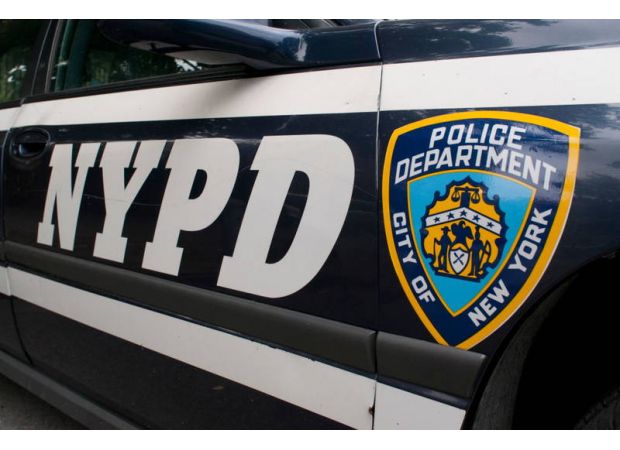

The recent incident in Brooklyn where a man was forcefully detained by New York Police Department detectives has captured the attention of the nation. It all began outside a liquor store in Bedford-Stuyvesant, where 34-year-old Andre Williams was mistakenly targeted as a drug dealer and subsequently apprehended. Williams can be heard on camera pleading that he was not resisting, yet he was still pinned to the ground and handcuffed before being released without any charges.
Following the encounter, the NYPD launched an investigation into the tactics used by the detectives involved. It was discovered that they were part of a specialized unit that is currently not required to wear body cameras, unlike regular patrol officers who have been mandated to do so since 2019. This has raised concerns about the lack of accountability for undercover and plainclothes units in the department.
In addition, it was revealed that the detectives did not use the standard police radio frequencies to call for backup, but instead relied on a WhatsApp group call to alert nearby units. This was brought to light in a video obtained by Fox 5, where one detective can be heard expressing frustration with this mode of communication. The use of WhatsApp in such a critical situation has raised questions about the preparedness and effectiveness of officers in the field.
The NYPD Deputy Commissioner, Tarik Sheppard, expressed his disappointment with the lack of proper equipment for officers. He also acknowledged that the arrest of Williams was unjustified. He highlighted the danger of relying on a messaging app for communication in a potentially life-threatening situation had Williams actually been in possession of a firearm.
Sheppard emphasized the importance of officers having a radio on them at all times to call for help when needed. Despite the controversy surrounding the incident, the NYPD maintains that the detectives acted within the guidelines of their specialized unit. However, the use of WhatsApp and the absence of body cameras have sparked a debate about the need for more accountability and transparency within the department.
Three died and 18 were injured when a devotees’ van from Maharashtra hit a trailer truck on the Ja...
Read More
Simon recalls leading the investigation into the murders of five women in Ipswich...
Read More
Jim Withers, 82, reportedly went into the water after boarding a Calmac ferry from Ardrossan to Arra...
Read More
Congress raises concerns over judicial independence under Modi, citing Justice Kaul’s memoir and u...
Read More