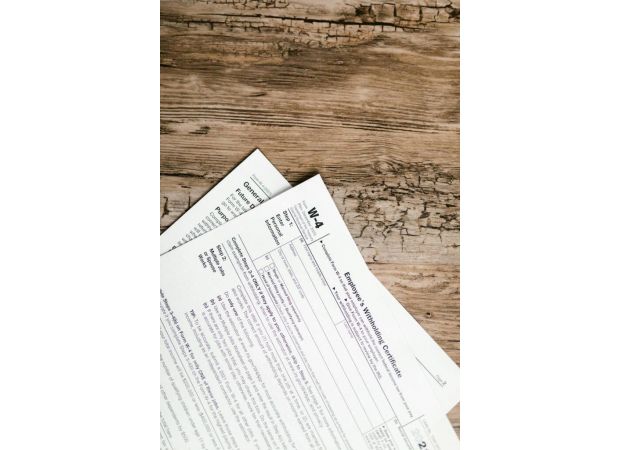

In a recent White House press briefing, Treasury Secretary Scott Bessent urged taxpayers to take advantage of new policies that could result in more money in their paychecks. With the Tax Day deadline behind us, Bessent wants Americans to make the most of this tax year by adjusting their withholding status. "I want to encourage everyone watching today to consider changing their withholding if they haven't already done so," Bessent said during the briefing, which was recorded on C-SPAN on April 15th.
He explained that tax withholding is the portion of an employee's paycheck that is sent directly to the IRS to cover expected taxes. However, employees have the option to adjust the amount that is withheld, depending on any new life changes such as having a child or holding multiple jobs. By changing their withholding, Bessent emphasized, taxpayers can see an increase in their take-home pay on a weekly or monthly basis, allowing them to keep more of their hard-earned money throughout the year.
This advice comes at a timely moment, as April is recognized as Financial Literacy Month and also coincides with the implementation of President Trump's "One Big Beautiful" bill, which includes deductions for tips, overtime, and auto loan interest. However, due to the law taking effect midway through 2025, employers were not equipped with updated withholding tables, leading to larger refunds for many taxpayers. While adjusting withholding can result in more money in the short term, it's important to consider the potential drawbacks.
With April being Financial Literacy Month, taxpayers should also be mindful of what they may owe next tax season. For those who received a higher-than-normal tax refund this year, it may be wise to lower their withholding, even if there were no significant life changes. However, this could also mean owing money next season if too much was taken back from their paychecks.
Tax experts caution that adjusting withholding can be a tricky situation, as it's difficult for everyday taxpayers to guarantee that they won't owe any money next season. Additionally, there is a risk of incurring underpayment penalties if the total withholding does not cover at least 90% of the taxes owed. To help employees make the best decision about withholding, the IRS offers a free tax withholding estimator.
While this can provide a helpful estimate, it may not be entirely accurate for more complex financial situations. For those who don't mind receiving a refund at the end of tax season, they may choose to stick with their current withholding and avoid any potential risks. However, for those who could benefit from having more money in their paychecks, adjusting their withholding may be worth the potential risk.
Ultimately, it's up to each individual to weigh the pros and cons and make the best decision for their financial situation. In light of the recent Tax Day, it's worth noting that the average refund this year was significantly higher than in previous years. However, this doesn't necessarily mean that it's the best option for everyone.
By closely monitoring their withholding and using the resources available, taxpayers can make informed decisions about their finances and taxes.

Across Europe, fuel prices, poor schools, weak public services, and a housing crisis are fueling wee...
Read More
Mumbai: Sources say Tiger Shroff shooting suspects scoped out several celebrities’ homes, includin...
Read More
David Grain is central to an $8 billion telecom deal that may reshape U.S. wireless, as Grain Manage...
Read More