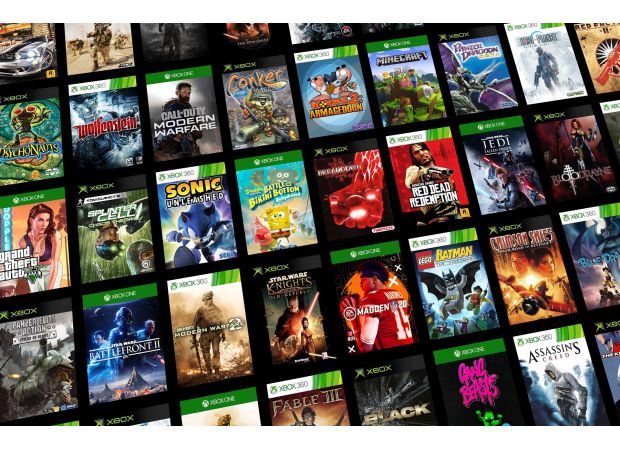

There is a lot of talk about free-to-play games these days. It seems like everyone is trying to jump on the bandwagon, and for good reason. Free-to-play games have become incredibly popular, with millions of players all over the world.
But what if all games were free and microtransactions didn't exist? What would happen then? Would people's preferences change?
At first, it's easy to imagine a world where all games are free and players have the freedom to choose whatever they want to play. As a gamer myself, I thought about all the obscure genres that I love, like real-time strategies and space combat simulators, that would come back in popularity. With money no longer being a barrier, people would be able to experiment and discover new and interesting games that they had no idea they would enjoy.
But then, I realized that I was being naive. In reality, not much would change. Even if games were free, they still require time, and most people aren't interested in spending their time learning something new when they just want to relax or have a quick gaming session.
This was evident with Game Pass, a subscription service that offers a wide range of games for free. Instead of trying out new games, people tend to stick to what they already know and are comfortable with. It's not just about time, either.
It's also about the overwhelming amount of choices. With so many games to choose from, it's easy to become paralyzed and stick with what's familiar. In fact, I've heard of people scrolling through dozens of games and only playing them for a few minutes before writing them off.
It's not that they don't have the time to play, but they don't have faith that they will enjoy something they didn't already know about. This is just human nature. We see it with streaming services like Netflix, where the most popular shows are often the mindless ones.
Even Netflix's own original content is mostly focused on action films with familiar actors. It's no different with gaming. I don't think there's any way to make a substantial number of people interested in gaming the way die-hard fans are.
Most people have their own hobbies and interests, and that's okay. It's easy to think that if games were cheaper, more people would be interested in them. But the truth is, most people who play games don't consider it an important hobby.
And that's fine. It's a testament to the success of the gaming industry. But it also shows that Xbox's goal of reaching three billion players was unrealistic.
Not everyone will love games as much as we do, and that's something we have to accept. In the end, Fortnite's popularity isn't just because it's free. It's a combination of factors, including its competitive nature and the ability to show off to others through skins and gear.
And while free-to-play games have their place in the industry, it's unlikely that they will drastically change people's preferences and tastes when it comes to gaming. We just have to appreciate and enjoy the diversity of games available to us, and accept that not everyone will share our passion for gaming.

Actress Rasika Dugal credits the 2018 film Manto for reviving her career, as she reflects on her jou...
Read More
Readers believe the internet is against Marvel's Wolverine, and one hopes for a higher budget for Ca...
Read More
Upasana Music hosts 'Sworanjali' at Soochana Bhawan in Bhubaneswar, while Cuttack Mahanagar Nagarik ...
Read More