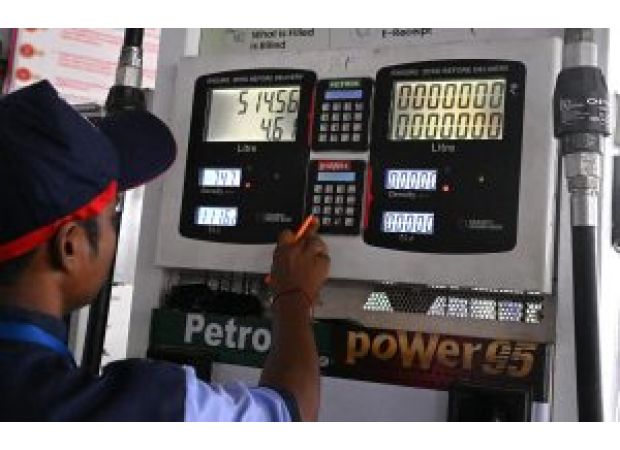

The government has recently put in place a new order that restricts the purchase of petrol and diesel by industrial, commercial, and institutional users from petrol pumps. Instead, these users are now required to obtain their fuel from bulk sale points. This decision was made in light of the unusual surge in demand for diesel, particularly in certain areas, due to bulk users buying from petrol pumps to take advantage of the price difference.
While the price of diesel at petrol pumps in Delhi is Rs 95.20 per litre, the bulk sale price is significantly higher at Rs 134.50 per litre. This price discrepancy is a result of state-owned oil companies adjusting retail prices to protect regular consumers from the high costs brought on by the crisis in West Asia that occurred in late February. However, while bulk users, such as telecom towers and industries that use diesel for power generation, are charged market prices, retail pump rates remain much lower, even below cost.
To address this issue, the Ministry of Petroleum and Natural Gas released an order on June 11th, called the Motor Spirit and High Speed Diesel Order, 2026, which directs fuel retailers and oil marketing companies to limit bulk purchases from retail outlets for a maximum of 90 days at a time. The government explained that this decision was necessary due to the current geopolitical situation in certain parts of the world, which has negatively impacted the international supply chains for petroleum and caused disruptions in shipping logistics and product availability. The notification stated that the abnormal increase in sales of petrol and diesel at retail outlets was a result of commercial, industrial, and institutional users shifting their purchases from bulk suppliers to retail outlets because of the price difference.
Under the new order, these users are now required to obtain their fuel from their own consumer pumps instead of retail outlets. Additionally, the sale of diesel at retail outlets will be limited to vehicle fuel tanks or approved containers with a maximum purchase limit of 200 litres per customer or vehicle per day. The order also prohibits the resale of diesel purchased in this manner.
The government stated that bulk procurement through retail outlets could lead to a diversion of supplies meant for regular consumers, potentially causing shortages and disruptions in essential services. As a result, public-sector oil marketing companies and authorized fuel retailers have been given the power to enforce these restrictions. It is also the responsibility of state governments and union territories to take action against hoarding, black marketing, unauthorized procurement, and diversion of fuel supplies.
These restrictions can remain in place for up to 90 days, with the possibility of extensions through additional government orders. The government emphasized that these measures were put in place to ensure the fair availability of petrol and diesel, prevent hoarding and diversion, and maintain consistent supplies across the country. However, the notification also stated that the government has the authority to exempt certain consumers, areas, or transactions from these restrictions, and any violation of this order will be punishable under the Essential Commodities Act.
Finally, the state governments and union territory administrations have been directed to take all necessary steps to implement this order, including cracking down on hoarding, black marketing, unauthorized procurement, and other malpractices. As Odisha's No.1 English Daily, Orissa POST will continue to keep you updated on any further developments regarding this issue.

The Monday letters page debates the value of Marvel's Wolverine, with one reader supporting Sony ove...
Read More
Readers believe the internet is against Marvel's Wolverine, and one hopes for a higher budget for Ca...
Read More