
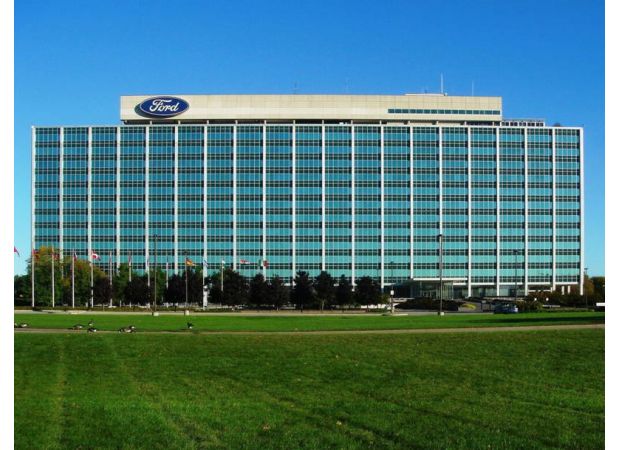

Ford is taking a step back and recognizing the limitations of artificial intelligence. While the technology was initially implemented in an effort to improve vehicle quality inspections, the company has since rehired over 300 experienced engineers and quality inspectors after realizing that AI couldn't match the judgment and expertise of human employees. This move by Ford is reflective of a trend in various industries where companies are rushing to integrate AI into their operations with the aim of reducing labor costs and increasing productivity.
Ford had previously expanded the use of AI in different parts of its manufacturing process, including implementing AI-powered quality inspections in its factories. Charles Poon, Ford's vice president of vehicle hardware engineering, acknowledges the potential of artificial intelligence as a tool, but also highlights its limitations. "Artificial intelligence is a fantastic tool, but it's only as good as the information you use to train it," he said in an interview with BBC.
Poon further admits that Ford may have underestimated the value of its most experienced engineers as they embraced AI at a rapid pace. "In the past, we didn't pay enough attention to the experience of our most knowledgeable engineers who have been with us through multiple product cycles," he stated. Ford CEO Jim Farley has been a vocal advocate of AI's potential to transform the workforce.
In a previous interview with author Walter Isaacson, Farley predicted that AI would leave many white-collar workers behind. The automaker has been actively incorporating AI into its manufacturing operations, as evidenced by installing 900 AI-powered cameras in its plants to detect quality issues and minimize supply disruptions. However, the recent developments at Ford suggest that the technology alone was not enough to deliver the desired results.
Poon explains that they mistakenly believed that simply introducing AI and feeding it with design requirements would automatically result in a high-quality product. However, they soon realized that the technology lacked the institutional knowledge and practical experience of veteran technicians who had already left the company. In an effort to enhance their AI and machine learning tools, Ford saw the need to ensure that they were trained by the most experienced individuals.
As a result, the company has welcomed back veteran employees not only to train the AI systems but also to mentor younger engineers. This change in approach has yielded positive results for Ford, as it recently regained the top spot among mainstream brands in the J.D. Power Initial Quality Study for the first time since 2010.
In a statement, the company acknowledged that this achievement required a significant talent refresh, including the hiring of approximately 300 veteran engineers who bring decades of design experience to the table. In addition, Ford has also invested $6 million in the expansion of the Motown Museum, demonstrating their commitment to the community and their employees. With this renewed focus on human expertise and experience, Ford is poised to continue delivering high-quality vehicles and making a positive impact on society.

Many gamers are now in their 40s, yet publishers still prioritize catering to younger audiences, lea...
Read More
The Indian government is implementing AI and data-driven tools to improve the functioning of its bur...
Read More
Readers debate Rare's best game while one explains why they sold their Xbox Series X console....
Read More
Xbox announced Minecraft's first new dimension in 15 years, boosting its sales and solidifying its p...
Read More