
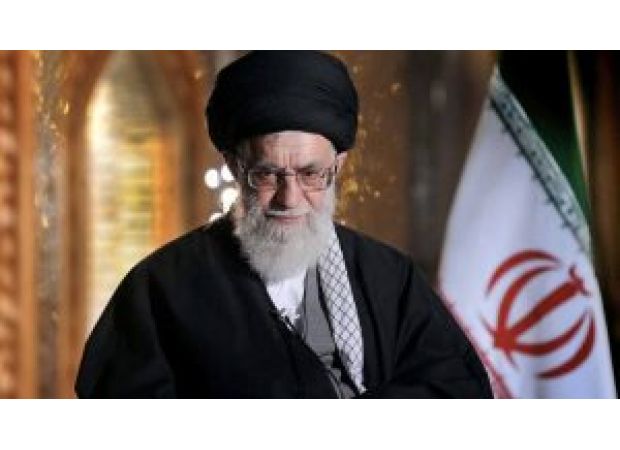

Months after the tragic death of Iran's supreme leader, Ayatollah Ali Khamenei, the nation is preparing to hold a grand funeral and burial ceremony in his honor. Khamenei, who had been leading Iran for almost four decades, was killed in the early days of the country's war with the United States and Israel. The funeral was initially postponed due to the ongoing conflict, but now, six months later, it is finally set to take place.
During the mourning period, Khamenei's body will be carried through the streets of major cities in both Iran and neighboring Iraq. The Iranian government, along with the religious leaders, are urging the public to participate in the funeral and show their support for the late leader. This event will serve as a test for the battered theocracy and its ability to unite the people in a time of grief, especially after the recent nationwide protests against Khamenei's rule.
However, there are concerns about the safety of such a large gathering, as past funerals for prominent leaders have resulted in deadly stampedes. The funeral of Iran's first supreme leader, Ayatollah Ruhollah Khomeini, was marred by a similar incident. Despite these risks, the authorities have decided to go ahead with the funeral and have even invited top officials to attend, a sign of confidence in the ongoing ceasefire.
It is unclear whether Khamenei's son, Ayatollah Mojtaba Khamenei, who is believed to have been injured in the attack that killed his father, will make his first public appearance during the ceremonies. He has been in hiding since the incident, and his presence at the funeral would be a significant moment for the nation. The funeral is set to begin on Saturday in Iran's capital, Tehran, and will last for several days.
On Saturday and Sunday, Khamenei's body will be displayed at the Grand Mosalla, followed by a parade through the streets of Tehran on Monday. On Tuesday, he will be honored in the city of Qom, and on Wednesday, his body will be taken to Karbala, Iraq, where he will be buried at the holy shrine of Imam Hussein. The decision to bury Khamenei in Iraq has raised some eyebrows, as he will be the first Iranian leader to be buried outside of Iran.
However, the Imam Reza shrine in Mashhad, where he will be laid to rest, holds great significance for Shia Muslims. It is believed that visiting this shrine can bring relief to those who are sorrowful or have committed sins. The funeral of Ayatollah Ruhollah Khomeini in 1989 saw millions of Iranians taking to the streets to mourn the leader's death.
The situation quickly spiraled out of control, resulting in a deadly stampede that claimed the lives of many. There are concerns that a similar incident may occur during Khamenei's funeral, given the large number of people expected to attend. The recent funeral of Revolutionary Guard Gen.
Qassem Soleimani saw a tragic stampede that killed dozens of people and injured thousands. The funeral comes at a critical time for Iran, as the interim deal reached with the United States in June is being challenged. The two nations have been in talks to negotiate a final deal to end the ongoing war and address issues such as Iran's nuclear program and the Strait of Hormuz.
However, there have been disagreements and tensions between the two sides, making the negotiations more challenging. The funeral of Ayatollah Ali Khamenei will be a momentous event for Iran, as the nation bids farewell to its long-serving leader. It will also be a crucial test for the country's theocracy and its ability to unite the people in times of adversity.
As Iran mourns the loss of its leader, the world watches with bated breath to see what the future holds for this troubled nation.
2 officials in Bhubaneswar, Odisha were arrested for transferring Rs 9.24 crore of public money to p...
Read More
Trump's ban on three news outlets from the White House has been temporarily blocked by a judge, but ...
Read More
The Indian government is implementing AI and data-driven tools to improve the functioning of its bur...
Read More
A human skeleton was discovered in a scrap dealer's settlement during a cleanliness drive in New Del...
Read More