
When considering purchasing monitoring software, it's important to read an honest review of mSpy that addresses the most pressing question: does it actually work in real-life situations? Our team conducted a thorough review of the platform, testing its dashboard on various devices and analyzing user complaints in detail. Despite mSpy's claim of serving over 1.5 million users worldwide, independent feedback has shown a divided satisfaction, particularly regarding refunds and compatibility.
Our conclusion is that while the tool does offer broad visibility, its performance is heavily dependent on the type of device and the user's expectations. In this article, we will outline exactly what works, what doesn't, and who might benefit from considering a more targeted alternative. Before making a purchase, it's important for buyers to have the right mindset when approaching mSpy.
One common mistake is expecting it to prevent negative behavior, when its main function is actually to provide visibility. This means that rather than blocking access or stopping certain actions in real-time, mSpy records and reports on activity after it has already occurred. Additionally, many buyers assume that the performance on iPhones will mirror that on Android devices, but this is not the case.
The restrictions on iOS limit the depth and consistency of mSpy's capabilities. Furthermore, some may expect mSpy to grant full control over Instagram stories and direct messages, when in reality it only provides insight based on the data from the monitored device. These misconceptions can lead to disappointment and result in refund requests, as we have seen in user feedback.
However, there are situations where mSpy can be useful and satisfying for the user. For example, in a parental monitoring scenario, mSpy is best used as a tool for gaining insight into patterns of risky behavior, rather than simply providing a list of logged activities. It can reveal call history, search activity, and app usage, allowing parents to identify any concerning patterns and set keyword alerts to monitor for potential issues.
It's important to note, however, that mSpy is not the best option for parental control on Android devices, as it lacks strong blocking tools and structured screen-time control. It is not a preventative measure, but rather a tool for monitoring after the fact. Those who understand this distinction are more likely to feel satisfied with the software.
In situations where someone suspects their partner of cheating, they may turn to spy apps like mSpy with the expectation of instant and invisible access to their partner's phone. However, this expectation is unrealistic as mSpy requires access to the device and the correct permissions in order to work properly. If the setup is not done correctly, the logs may appear incomplete.
There are also legal and ethical risks involved in monitoring someone's personal device without their consent. Some may also mistakenly believe that mSpy can be used to bypass privacy settings on social media platforms, such as viewing private Instagram stories. However, mSpy only functions based on the activity of the monitored device and cannot provide access to external platforms.
In an employer monitoring situation, mSpy can be a useful tool for overseeing company devices as long as it aligns with written policies. It provides visibility into activity without the need for complex infrastructure, and it performs better on Android devices compared to iPhones due to operating system limitations. However, it's important for employers to find a balance between oversight and micromanagement.
It's also worth noting that compatibility issues may arise after OS updates, which can temporarily interrupt monitoring. Businesses that use mSpy as a visibility tool rather than a total control system tend to have more success with it. Our team did not evaluate mSpy based on marketing claims, but rather through testing its performance on different devices over a period of time.
Accuracy is key when it comes to trust, and we found that mSpy's core logs, such as calls and text messages, remained relatively consistent on Android devices. However, there was more variability with social app data. Standard SMS logs were stable, but social app messages sometimes missed media attachments or appeared with a delay.
Updates also did not always reflect instantly, and certain activities failed to populate after device restarts or permission resets until the permissions were restored. It's worth noting that mSpy operates based on device-level data and does not function as an external Instagram likes viewer or provide platform-based access. In terms of stability over time, our testing revealed that major OS updates for iOS devices temporarily reduced the depth of visibility until compatibility patches were released.
Social app updates also frequently caused disruptions in tracking. Additionally, system updates sometimes revoked the necessary permissions, resulting in a halt in data collection. Maintaining constant compatibility alignment is crucial for the stability of mSpy, and our tests showed that Android devices handled changes better than iPhones.
It's important to keep in mind that any monitoring software will have some impact on the device's performance. Our testing showed a moderate increase in background battery usage on Android devices with full permissions enabled, as well as an increase in background processes due to continuous syncing. On mid-range devices, heavy use of permissions may also cause slight interface lag.
In conclusion, before purchasing mSpy, it's important to have realistic expectations and understand its limitations. While it can be a useful tool for gaining insight and visibility into certain activities, it is not a preventative measure or a total control system. Its performance may vary depending on device type and updates, but with proper setup and understanding, mSpy can be a valuable monitoring tool.
Thinking about purchasing monitoring software? One important question to consider is whether or not it actually works as promised in real-life situations. We took the time to thoroughly review and test mSpy, examining its dashboard across various devices and diving into user complaints.
While mSpy boasts over 1.5 million users worldwide, independent feedback shows a divided level of satisfaction, particularly when it comes to refunds and compatibility. We believe that this tool provides a wide range of visibility, but its performance heavily relies on the type of device and the expectations of the user. In this article, we will explain exactly what works, what falls short, and who may want to consider a more targeted alternative.
Before purchasing mSpy, it's important to understand what most people get wrong about it. Many buyers go into it with the wrong mindset, leading to immediate frustration. They expect the tool to prevent risky behavior, restrict access, or stop certain actions in real-time.
However, mSpy is designed to provide visibility after the fact. It records activity that has already occurred. Another common misconception is that the performance of mSpy on an iPhone will be the same as on an Android.
This is not the case, as iOS restrictions limit the depth and consistency of the tool. Additionally, some buyers expect that by having access to Instagram, they will have full control over stories and messages on all accounts. This is not the case, as mSpy relies solely on data from the monitored device, not platform-level access.
When expectations exceed the technical capabilities of the tool, it often leads to requests for refunds, as we have seen in user feedback. Different users have different reasons for purchasing mSpy, and these reasons can greatly impact their level of satisfaction. For parents, the tool is often used to gain insight into risky behavior patterns.
It works best as a visibility tool, showing call history, search activity, and app usage. It can also highlight repeated behavior over time and send keyword alerts for potential concerns. However, it is not the best option for parental control on Android devices due to its lack of strong blocking tools and structured screen-time control.
It shows activity after exposure, rather than preventing it from happening. Parents who understand this distinction tend to be more satisfied with the tool. Some buyers may be looking for ways to catch a cheating spouse, expecting instant and invisible access.
This expectation is unrealistic, as mSpy requires device access and proper permissions to work effectively. Without proper setup, the logs may appear incomplete. There are also legal and ethical risks involved in monitoring a personal device without consent.
Those who expect mSpy to function as a remote surveillance system are often disappointed. It is a monitoring platform, not a magical access tool. Some users may also be searching for ways to view a private Instagram story, but mSpy does not work as a bypass system for private accounts.
It relies solely on the activity of the monitored device. Employers may use mSpy in company devices with written policy in place for oversight. In this setting, it can provide visibility without the need for complex infrastructure.
However, it is more effective on Android devices due to limitations on iOS. It's important to maintain a balanced level of oversight to avoid micromanagement concerns. There may also be compatibility issues after OS updates, causing temporary interruptions in monitoring.
Businesses that understand that mSpy is a visibility tool, rather than a total control system, tend to use it more effectively. Our evaluation of mSpy was not based on marketing claims, but rather on our own testing across various devices. We focused on performance patterns over time, rather than short-term results.
Data accuracy is crucial for trust in a monitoring tool, and in our testing, we found that core logs such as calls and SMS remained relatively consistent on Android devices, but social app data showed some variability. Message reliability also varied, with standard SMS logs appearing stable, but social app messages sometimes missing media attachments or appearing with a delay. Sync delays were also observed, with updates not always reflecting instantly due to poor connectivity, battery saver mode, or background restrictions.
We also noticed that certain activities failed to populate after device restarts or permission resets, highlighting the importance of maintaining proper permissions. Stability over time is another important factor to consider. While short-term testing may seem fine, long-term performance can reveal more.
We found that after major OS updates, mSpy's visibility depth was reduced until compatibility patches were applied. After social app updates, tracking was often disrupted due to changes in the app's internal architecture. System updates can also revoke necessary permissions, causing data collection to stop without warning.
Constant compatibility alignment is crucial for stability, and in our tests, Android devices handled changes better than iPhones. It's also important to consider the impact of monitoring software on the device itself. In our testing, we noticed a moderate increase in background battery usage on Android devices with full permissions enabled.
Continuous syncing also increased background processes, and heavy use of permissions caused slight interface lag on mid-range devices. In conclusion, before purchasing mSpy, it's important to have a clear understanding of what it can and cannot do. It may not meet the expectations of those looking for a total control system, but as a visibility tool, it can be effective for certain purposes.
Different users may have different levels of satisfaction, depending on their reasons for using the tool. It's also important to keep in mind the potential impact on device performance and to regularly check for compatibility updates.
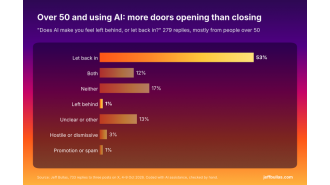
What 733 people over 50 told me about AI: more capable, less fearful, but concerned about one thing....
Read More
AAP said CM Bhagwant Mann was held for three hours and fined Rs 50,000 at Delhi airport after return...
Read More
Polish PM Donald Tusk will visit India Oct 21-23 for talks with PM Modi to strengthen India-EU ties....
Read More