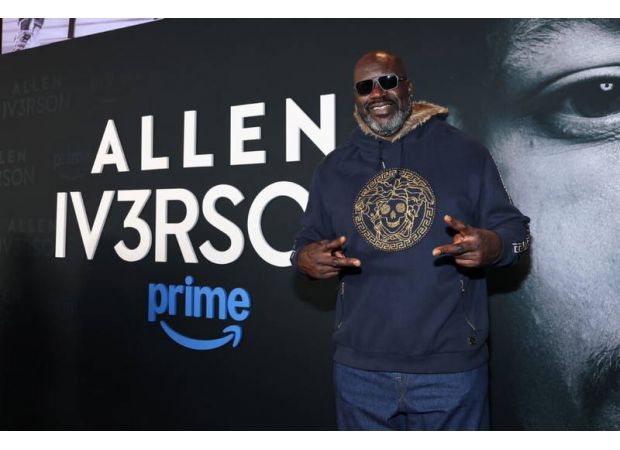

A powerful group of retired African American athletes has changed the story of the once-struggling former pro, turning short-term playing salaries into long-term corporate equity, venture capital, and expansive franchise holdings. One of the most notable examples is Hall of Fame basketball center Shaquille O’Neal. During a November 2026 appearance on Travis Chappell’s *Dinner Party* podcast, O’Neal said that a conservative financial safety plan he put in place years ago is expected to bring him about $1 million a month once he turns 55.
O’Neal’s path to financial security started after he blew through his first $1 million in less than an hour as a 20-year-old rookie. Wanting to build better money habits, he asked a wealthy acquaintance for advice on how to keep and grow his wealth. According to *Inc.*, the man offered a simple rule: save 75% of every dollar earned and live on the remaining 25%.
To guard against risky startup investments, O’Neal placed a large share of his endorsement income into annuities, which are insurance products designed to provide dependable payments over time. “I said to myself, ‘OK, if I mess all this up, I still want to be able to get something when I’m 40,’” O’Neal said on the podcast. “As a matter of fact, next year, I’ll get a lot for the rest of my life.
I don’t like to brag, but I think at 55, I’ll probably get a million dollars a month.” That steady financial foundation gave O’Neal the freedom to pursue smart business opportunities. In addition to early investments in companies like Google and Ring, he developed a major business footprint that includes his Big Chicken chain, around 150 car washes, and several restaurant franchises. O’Neal is far from alone in moving from athlete to owner.
Across basketball, tennis, and football, Black athletes have increasingly shifted from being endorsers to becoming majority owners and institutional investors. The late Ulysses “Junior” Bridgeman set the standard for that transition. During his 12-year NBA career, he never made more than $350,000 a year, and he worked at Wendy’s in the offseasons to learn the fast-food business from the ground up.
Over time, he went on to own hundreds of Wendy’s and Chili’s franchises, became a major Coca-Cola bottler, and acquired a 10% stake in the Milwaukee Bucks before his death in 2025, as BLACK ENTERPRISE previously reported. Likewise, tennis legend Serena Williams used her global fame to launch Serena Ventures, a venture capital firm that backs diverse founders, along with her production company, Nine Two Six Productions. As BE noted after NBA guard Russell Westbrook’s retirement in August 2026, today’s athletes increasingly see their playing careers as startup capital for greater business independence.
Westbrook’s own portfolio includes car dealerships, real estate, fashion, and ownership stakes in sports teams.

Major festive plotlines unveiled for your top three soaps...
Read More
The senator-elect went to the game with his family and joined the pregame coin toss....
Read More
SC issued contempt notice to Tamil Nadu officials for defying its Karthigai Deepam order under polit...
Read More