
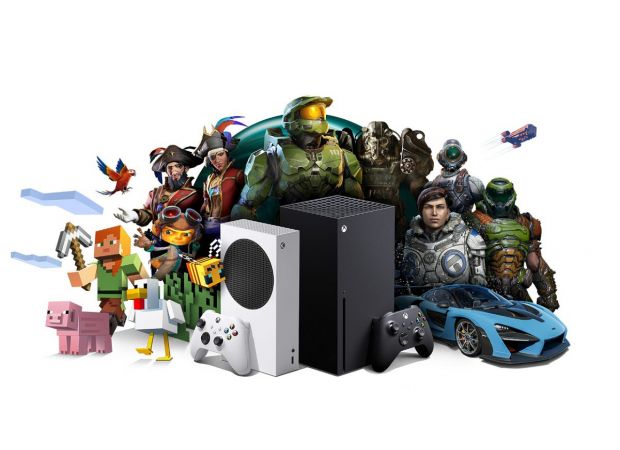

Over the past 25 years, the journey of Xbox has been far from smooth. Many believe that the current problems the brand is facing can be attributed to Microsoft's management failures, lack of vision, and unwillingness to take risks. It all began in November 2001 when Microsoft made its entrance into the gaming console market.
The console's sleek, cyberpunk-style dashboard was mesmerizing, and it boasted one major game-changer: Halo: Combat Evolved. This groundbreaking game not only elevated the console to new heights but also attracted a massive audience. In 2004, Microsoft decided to drop the price of the Xbox to a more affordable £149.
This move proved to be successful, and the brand established itself as a major player in the industry. The Xbox 360 was next in line and managed to dominate the market, despite the notorious Red Ring of Death incidents. It seemed like Microsoft was poised to revolutionize the gaming industry, just as it had done with operating systems and office software.
However, things took a turn for the worse. Some may argue that Nintendo or PlayStation's focus on consoles rather than turning them into all-in-one media hubs is to blame. In 2017, Microsoft introduced Game Pass, touting it as the "Netflix of gaming".
However, unlike Netflix, which doesn't release brand new, unproven films on the platform immediately after production, Microsoft chose to release major games like Starfield on Game Pass on day one. This decision has raised concerns about how studios can make a profit this way. With over 10 million players engaging with these titles, but only 1 to 2 million Xbox users actually purchasing the game out of a 34 million strong userbase, this represents a major shortfall.
It's clear that Microsoft's lack of foresight is suffocating Xbox and keeping it afloat only through PlayStation and PC purchases. And with the rumored release of the Nintendo Switch 2 platform, Xbox's future is uncertain. It's not a lack of games that is destroying Xbox, but rather a lack of vision.
Day one releases should not exist on any gaming streaming service. Instead, Xbox titles should launch traditionally, at least eight months to a year before being added to Game Pass. Microsoft's attempt to compete in the gaming space by offering streaming services may actually be hurting the gaming industry.
Look at Sony and Nintendo, for example. They understand that gaming consoles are not PCs. While streaming services may give players more options, they should not deprive production studios of the recognition and profitability of successful launches.
You may not agree with this viewpoint, but one thing is certain, Microsoft is losing with Xbox, not because of the fanbase, but because of its own lack of interest in the brand. I may sound harsh, but I remember the original Xbox and how it promised a multiplayer experience. One example was the game Brute Force, where players could control four characters on a mission.
It even had four-player local support, but everyone was waiting for the Xbox Live add-on. However, Microsoft failed to deliver on this promise, not realizing that it could have boosted sales and expanded its catalogue of exclusive titles. Instead, they prioritized the Halo franchise.
Another example of Microsoft's destructive behavior towards Xbox is the cancellation of Perfect Dark, a highly anticipated sequel that sold over a million units on the original Xbox. This decision makes little sense, as profits could have been generated through DLC and season passes, while also boosting sales for the Xbox Series X. To make matters worse, Microsoft owns Activision, which promised exclusive games for the Xbox.
However, the company ended up cancelling titles after the takeover. Not many people know this, but Microsoft lost $300 million by putting Call of Duty on Game Pass. This decision should have had consequences for those responsible.
In the end, it's not that Microsoft is intentionally destroying Xbox, but rather that they lack the vision to see its potential. Leaders like Steve Jobs, Tim Cook, Elon Musk, and Bill Gates understood the importance of delivering great products that were also profitable. Unfortunately, it seems that no one at Microsoft is willing to take bold enough risks to save Xbox.
It's a sad realization, but it's likely that the Chief Master will lose the fight in the end. It's been a long time since the glory days of the Xbox 360, and the reader's feature may not represent the views of GameCentral or Metro. However, it's clear that something needs to change if Microsoft wants to keep Xbox alive.
Otherwise, it may just fade away within the next five years.

I hope people recognize this as cruelty and don't engage in it on television....
Read More
Pusha T and Pharrell have joined forces to bring their hit song "Grindin'" to the coffee world with ...
Read More
Police in Odisha have filed a new case against BJD leader Bikram Kumar Panda, just released from jai...
Read More
Readers believe the internet is against Marvel's Wolverine, and one hopes for a higher budget for Ca...
Read More