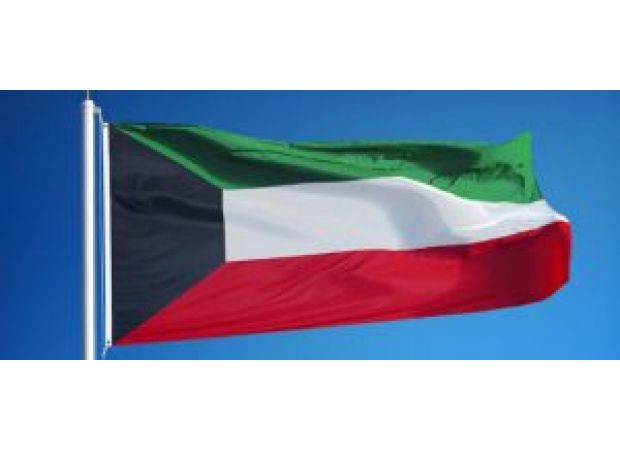

In the bustling city of Dubai, tensions were high as US President Donald Trump expressed skepticism about the success of the two-week ceasefire in the Strait of Hormuz. Meanwhile, Kuwait placed blame on Iran and its allies for launching drone attacks on Thursday, despite the supposed truce. The paramilitary group Revolutionary Guard of Iran denied involvement in any attacks on the Persian Gulf states, following Kuwait's accusations.
Amidst the chaos, Israeli Prime Minister Benjamin Netanyahu offered a glimmer of hope for the ceasefire efforts by announcing that he had approved direct talks with Lebanon. However, there has been no response from the Lebanese government as of Friday morning. The talks are expected to take place next week in Washington, as confirmed by a reliable source.
Questions still remained about the fate of Iran's enriched uranium stockpile, which has been a major source of tension, as well as the resumption of normal traffic through the Strait of Hormuz. Additionally, there were concerns about Iran's potential to launch future missile attacks and provide support to armed proxies in the region. As a result, talks between the United States and Iran were set to begin on Saturday in Islamabad, with Vice President JD Vance leading the US delegation.
In the midst of all this, there were reports of air defense fire and explosions heard in Iran's capital, Tehran, and other parts of the country. However, the Iranian government did not acknowledge any attacks during that period, which has been the case in the past as well. As tensions remained high, Japan took precautionary measures by announcing the release of an additional 20 days' worth of oil reserves in May, following a similar release last month.
Prime Minister Sanae Takaichi stated that the release of government reserves would begin in early May, as Japan sought to address supply uncertainty caused by the war in the Middle East. As of April 6, Japan had 230 days' worth of oil reserves, with 143 days' worth in government stockpiles. Takaichi also mentioned that the government was actively seeking alternative routes for oil imports to avoid the Strait of Hormuz, in an effort to diversify their suppliers.
In anticipation of the upcoming talks, Pakistan announced that they would be issuing visas on arrival for those traveling to Islamabad. This move was seen as a sign of the intense interest in the event from the global media. The Orissa POST, known as Odisha's top English daily, was closely following the developments in the region and providing updates to its readers.

The Indian government is implementing AI and data-driven tools to improve the functioning of its bur...
Read More
Readers are surprised by Super Mario 64's 30th anniversary and one defends Marvel's Wolverine on the...
Read More
India and UAE will work together to implement initiatives for trade in local currencies, payment sys...
Read More