
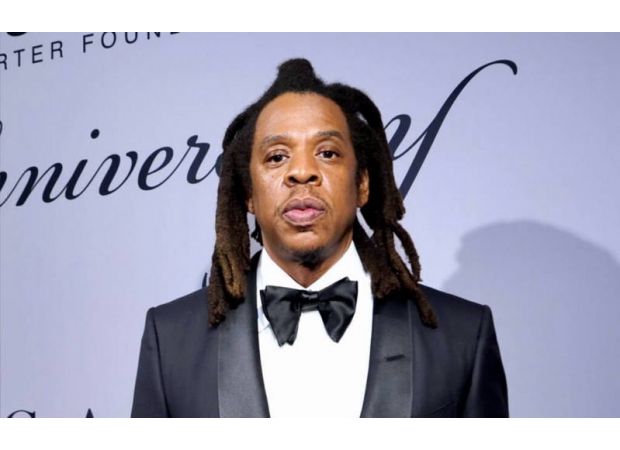

A recent collaboration between hip-hop icon Shawn "Jay-Z" Carter and retail giant Target has sparked controversy and backlash among fans and critics. According to Complex, Target will be releasing a special 30th-anniversary edition of Carter's debut album, Reasonable Doubt, featuring exclusive packaging, a unique vinyl color variant, and previously unreleased versions of some tracks. While some fans were excited about the collector's release, others were questioning Carter's decision to partner with a company that has faced criticism and boycotts.
One of the main reasons for the backlash is Target's history of rolling back diversity, equity, and inclusion initiatives, which has led to calls for a boycott from Black leaders like Pastor Jamal Bryant. Popular Instagram page Essence of Black Culture accused Carter of allowing his brand to be "manipulated" in a way that undermines efforts to hold corporations accountable. The blog stated, "With the success the Black community had boycotting them, he made himself available to be used to directly smack the community in the face." The blog also brought up Carter's controversial partnership with the NFL in 2019, which sparked a boycott from activists after the league's firing of former quarterback Colin Kaepernick, who kneeled during the national anthem in support of the Black Lives Matter movement.
Cultural commentator Imani B. also criticized Carter, accusing him of hindering the Black community's efforts to stand up against organizations that work against their interests. However, supporters of the hip-hop mogul defended him on the platform Threads, stating that exclusive retail partnerships are a common practice in the music industry.
They also highlighted Carter and his wife Beyonce Knowles-Carter's philanthropy and support for causes that empower the Black community. Some argued that the deal with Target should be seen as a strategic marketing move, in line with Carter's unapologetic stance as a capitalist. In conclusion, the announcement of Jay-Z's partnership with Target has caused a division among fans and critics.
While some view it as a betrayal to the Black community, others see it as a smart business move. The controversy surrounding the collaboration has sparked important conversations about accountability and representation in the corporate world.

Thursday letters page excited for new Resident Evil movie, reader curious about difficulty of Fire E...
Read More
Upasana Music hosts 'Sworanjali' at Soochana Bhawan in Bhubaneswar, while Cuttack Mahanagar Nagarik ...
Read More
Some readers are skeptical of Jason and Lucia's characters in GTA 6, with one citing concerns about ...
Read More
Trump opposes calls to regulate AI, saying it could harm US in the race against other countries....
Read More