
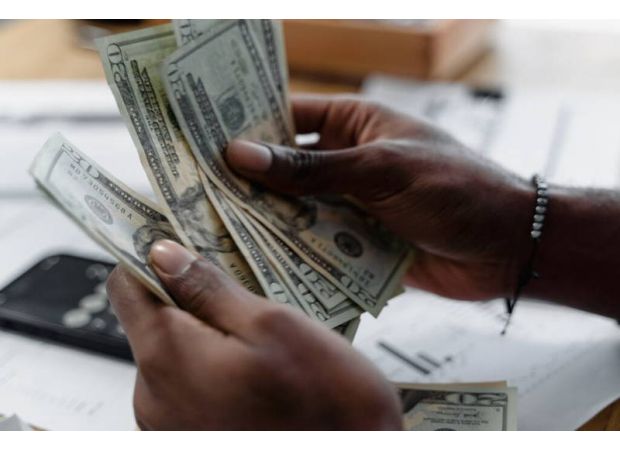

In Evanston, Illinois, the Reparations Committee has announced that they will be giving $25,000 payments to 44 Black residents as part of their ongoing reparations efforts. This decision was made in order to provide financial support for housing costs, according to Cynthia Vargas, a city official. Fox News has reported that residents will be notified in the upcoming weeks as the funds are distributed.
According to a city memo, the funding for these payments comes from $276,588 generated through Evanston's real estate transfer tax. Additionally, there have been discussions about potentially taxing Delta-8 THC products in order to sustain the program in the long term. Alderman Krissie Harris emphasized the importance of understanding that the city is paying out these funds as they become available, rather than intentionally withholding them from eligible recipients.
This reparations initiative, which was launched in 2019 and approved by the City Council in 2021, is a groundbreaking effort by Evanston. It provides $25,000 payments to Black residents and descendants who lived in the city between 1919 and 1969. However, as of January 31, the fund had not received any philanthropic donations and is primarily supported by taxes from cannabis sales and real estate transfers.
Calls for reparations are gaining momentum across the nation, with new proposals emerging in state legislatures and grassroots advocacy. In response, several municipalities, including Evanston, have formed committees to examine the legacy of slavery and potential methods of compensation. Meanwhile, cities like Asheville, Durham, St.
Paul, and Providence are developing targeted investment and restitution programs. As of June 2025, the Reparations Committee in Evanston reported that they had distributed $6.36 million to ancestors and direct descendants of the city's Black community. City officials have met with 116 of the 126 eligible direct descendants, who collectively received $2.89 million.
In addition, 135 qualifying ancestors who were impacted by discriminatory housing practices received about $3.47 million. While Evanston's reparations program has been successful in providing support to eligible residents, it has also faced opposition from conservative groups. Last year, Judicial Watch filed a lawsuit challenging the use of race-based eligibility, arguing that it violates the Equal Protection Clause of the 14th Amendment.
In response, Judicial Watch President Tom Fitton stated that the city must be stopped from spending more money on this "discriminatory and unconstitutional" program. In related news, a Florida bride is currently battling a venue for a refund after her fiancé unexpectedly passed away. The situation has sparked a debate between compassion and contract, raising questions about the responsibilities of businesses in times of tragedy.

Spider-Man actor hints at upcoming project, leaving little doubt about what it could be....
Read More
DC player Nitish Rana fined and given demerit point for Code of Conduct breach during IPL 2026 match...
Read More
In Delhi, Shashi Tharoor mocks failed US-Iran peace talks in Pakistan with an Urdu couplet, expressi...
Read More
Couple once charged with felony stalking and theft....
Read More