
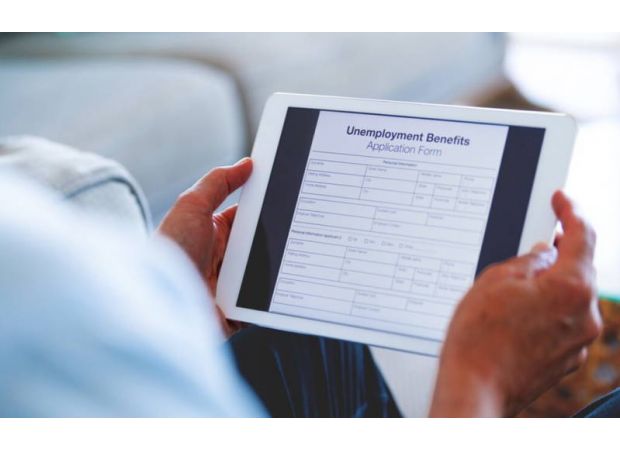

According to a recent report released by the U.S. Bureau of Labor Statistics on July 3, nearly 2 million Americans were still without jobs for at least six months in June. This highlights the ongoing struggles of the labor market, despite a small decrease in the overall unemployment rate in the country.
Fast Company shared that employers added 57,000 jobs in June, and the unemployment rate went down to 4.2% from 4.3% in May. However, this improvement was mostly due to a decline in the number of people actively participating in the workforce, rather than a significant increase in hiring. In fact, the labor force participation rate dropped to 61.5%, its lowest level since March 2021.
In June, approximately 1.9 million Americans had been unemployed for 27 weeks or longer, accounting for 27.3% of all unemployed workers in the nation. This is a significant increase from June 2025, where this number was only 23.3%. It appears that many job seekers are still facing long and difficult searches for new employment opportunities.
In fact, the average duration of unemployment in June was 25.5 weeks. The group most affected by this trend is adults aged between 25 and 54, with people in their late 20s and 30s making up the largest share of long-term unemployed workers. The rise in long-term unemployment comes at a time when some major companies, such as Meta, Microsoft, Atlassian, Lucid, and Block, have announced workforce reductions, adding even more experienced candidates to an already competitive job market.
While these employees may receive severance packages that include a few months of pay and temporary healthcare benefits, these benefits often expire before they are able to secure a new job. The impact of extended unemployment goes beyond financial strain, it also affects workers' mental health. A survey conducted by Talker Research in April 2026 found that only 23% of unemployed adults consistently felt motivated during their job search, while 31% had stopped actively looking for work.
The survey also revealed that the average respondent had been unemployed for six months, with nearly one-third searching for even longer. Former Federal Reserve Chair Jerome Powell described the labor market in 2025 as a "low-firing, low-hiring environment," where employers have slowed both hiring and layoffs. This creates a challenging environment for unemployed workers to quickly reenter the workforce.
It is clear that lengthy unemployment stints can have a detrimental effect not only on a person's financial stability but also on their overall well-being.

AAP said CM Bhagwant Mann was held for three hours and fined Rs 50,000 at Delhi airport after return...
Read More
David Grain is central to an $8 billion telecom deal that may reshape U.S. wireless, as Grain Manage...
Read More
Improved education but still issues at Baman Abakash High School in Itamati panchayat, as mid-day me...
Read More
AI makes solo AI startups easier to build, but harder to discover. The real challenge is getting fou...
Read More