
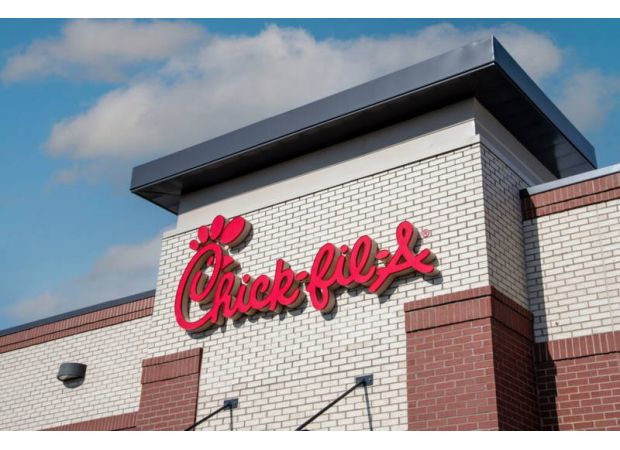

A Chick-fil-A franchise owner in Texas is currently facing a lawsuit from the U.S. Equal Employment Opportunity Commission (EEOC) for allegedly firing an employee who requested Saturdays off for religious reasons. According to the EEOC, the employee, Laurel Torode, disclosed her need for a Sabbath day off during her job interview in 2023.
Torode is a member of the United Church of God, which observes the Sabbath from Friday sunset to Saturday sunset. The lawsuit, filed in federal court in Austin, Texas, claims that Hatch Trick Inc., the company that operates several Chick-fil-A restaurants in the area, violated Title VII of the Civil Rights Act of 1964. The EEOC argues that the company failed to reasonably accommodate Torode's religious beliefs.
Initially, the company agreed to her scheduling needs, but later changed their stance and required her to work on Saturdays. According to the EEOC, Torode suggested alternative scheduling solutions that would have allowed her to continue working as a manager while still observing her religious practices. However, the company allegedly offered her a lower-paying position as a delivery driver with reduced benefits and fewer hours.
When she declined the reassignment, she was terminated. The case has gained national attention due to Chick-fil-A's reputation for promoting Christian values and closing their restaurants on Sundays. In response to the lawsuit, the company stated that employment decisions are made independently by franchise operators.
According to the EEOC, attempts to resolve the issue through mediation were unsuccessful, leading to the lawsuit. Acting EEOC Dallas Regional Attorney, Ronald L. Phillips, emphasized that federal law requires employers to provide reasonable accommodations for religious beliefs unless it causes an undue hardship on business operations.
He also highlighted the importance of acknowledging and respecting the role of faith in employees' lives. In related news, the Chick-fil-A College Football Hall of Fame has announced that it will offer five scholarships for students from historically black colleges and universities (HBCUs). This initiative aims to support and promote diversity and inclusion within the college football community.

One reader believes that Marvel's Wolverine is the top game of 2026, despite conflicting opinions fr...
Read More
A human skeleton was discovered in a scrap dealer's settlement during a cleanliness drive in New Del...
Read More
Xbox announced Minecraft's first new dimension in 15 years, boosting its sales and solidifying its p...
Read More
Marxism and other radical philosophies face constant criticism, but their ideals of social, cultural...
Read More