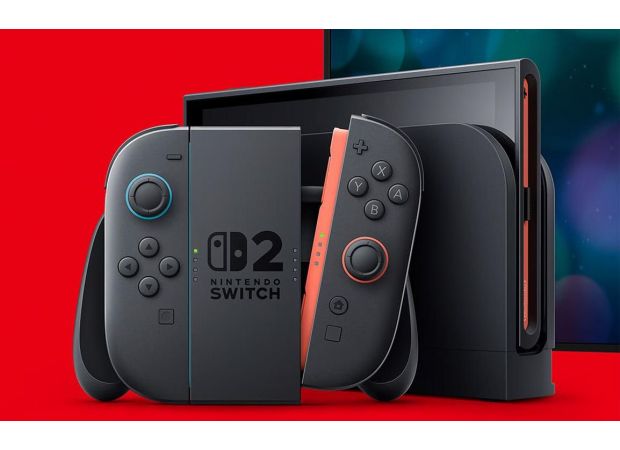
America losing interest in gaming consoles as Switch 2 numbers drop.
Nintendo had a strong year in the UK, but the Switch 2 did not perform as well as anticipated during the holiday season in the US and Europe due to changing consumer trends globally.
This year has brought a mix of results for Nintendo, with ups and downs in various markets. While the company had a successful year in the UK, their latest console, the Switch 2, didn't meet expectations during the holiday season in the US and Europe. It seems that consumer preferences are shifting around the world, affecting hardware sales for the gaming giant.
Despite launching the highly anticipated Nintendo Switch 2, as well as benefiting from less competition from Xbox with the release of PlayStation 5, last November marked the worst hardware sales on record in the US. Many factors have been attributed to this decline, such as increasing prices due to tariffs and the use of AI taking up necessary resources for new consoles. Overall, the traditional games industry is facing a grim outlook.
In the UK, Xbox had its worst year ever in 2025 and now new data suggests that, despite being the fastest-selling console ever, Switch 2 sales have fallen behind those of its predecessor, Switch 1, during its initial Christmas launch in the US. It's worth noting that Switch 1 was released in early March while Switch 2 didn't hit shelves until June, so it's not an entirely fair comparison. However, according to The Game Business, US sales for November and December were down about 35% compared to 2017 when Switch 1 was launched.
Aside from the difference in release dates, the launch titles for Switch 1 and Switch 2 were also very different. Switch 1 had a steady stream of critically acclaimed releases, with Super Mario Odyssey as its big holiday title, while Switch 2's biggest first-party game at the time was the controversial Metroid Prime 4. Even if Metroid Prime had received critical praise, it's still a niche franchise compared to the mass appeal of Super Mario.
It's important to note that console sales have declined across the board in the US, affecting all formats, due to the increasing prices. The situation seems to be more positive in other regions, such as the UK, where Switch 2 sales were 16% lower than Switch 1 during the same period. However, when factoring in Switch 1 purchases, overall Nintendo hardware sales were up 7% compared to 2017. Additionally, Switch 2 sales are 6% higher overall than Switch 1 in 2017, despite having 14 fewer weeks on the market.
The UK has traditionally been Nintendo's weakest major international market, with France usually being their strongest in Europe. However, Switch 2 sales in France were more than 30% lower compared to the first year of Switch 1, which is a significant drop. This means that the UK sold more Nintendo hardware than France during the holiday season, which is unusual and could indicate a change in the market.
There is no data available for the rest of Europe, but according to Chris Dring from The Game Business, the sales in other regions were closer to those in France rather than the UK. Nintendo has reportedly expressed disappointment with the lack of major Western game releases during this period, as well as the complicated economic landscape.
Japan was the only market that met expectations, with sales over the last two months being 5.5% lower than Switch 1's first year. However, overall Switch 2 sales were 11% higher than Switch 1 for the year, despite having less time on shelves. Dring points out that Switch 2's first-year line-up was tailored towards Japanese tastes, with titles like Hyrule Warriors and Kirby Air Riders selling well in Japan but not performing as well in the UK.
It's unclear whether this was intentional or just a coincidence in release schedules, but there are no major titles with confirmed 2026 release dates that seem likely to change the narrative, especially in terms of major Western releases. Some of these issues are out of Nintendo's control, but if the US market continues to disappoint, they may need to reassess their priorities and output, perhaps focusing on newer markets like China and India.
The rising cost of RAM and other components is a major issue for all console manufacturers at the moment, and this could lead to either continued price increases for consoles or a decrease in profits.
If you're interested in receiving expert, exclusive gaming analysis, be sure to sign up for the GameCentral newsletter. You'll get a unique take on the week in gaming, along with the latest reviews and more, delivered to your inbox every Saturday morning.
To submit letters to the Inbox or Reader's Features, you can now use our Submit Stuff page instead of sending an email. You can also email us, leave a comment, or follow us on Twitter. Make sure to add Metro as a preferred source on Google for all your gaming news.