
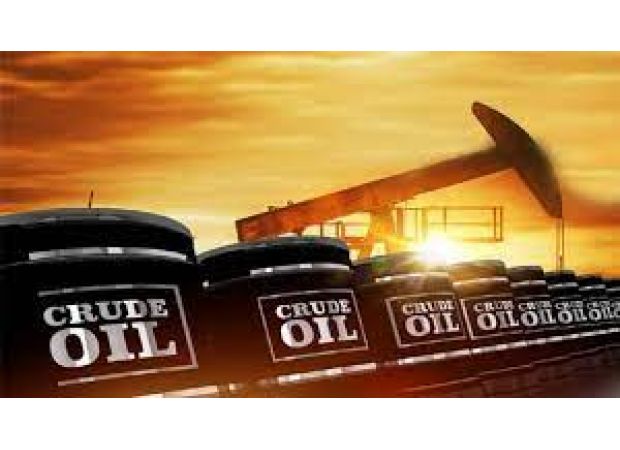

In New Delhi, on Friday, the opposition parties expressed concern over the government's decision to allow Indian refiners to purchase Russian oil. They accused the ruling BJP of compromising India's foreign policy and ceding diplomatic space. However, the BJP hailed this as a success of Prime Minister Narendra Modi's "strategic oil diplomacy." Leader of Opposition in the Lok Sabha, Rahul Gandhi, accused the government of exploiting a compromised individual, referring to Prime Minister Modi.
He shared a post on social media, stating that India's foreign policy should be rooted in its history, geography, and spiritual ethos of truth and non-violence. He also shared his speech from February 11, where he had raised concerns about India's energy security being compromised. The government, on the other hand, dismissed the opposition's allegations, stating that India has never depended on any country's permission to buy Russian oil.
They clarified that the US waiver was only to remove friction and did not define India's policy, which was determined by the energy trilemma of affordability, availability, and sustainability. A senior government functionary reassured the citizens that India's fuel supply was secure and that the government was constantly monitoring the situation and would act in the best interest of the people. The BJP accused the Congress and Gandhi of creating panic by spreading fake news about an oil shortage.
They stated that the opposition hates to see India act with strategic clarity and restraint under Prime Minister Modi. The BJP spokesperson also added that India's strategic oil diplomacy has once again succeeded. The conflict in West Asia has led to the US issuing a temporary 30-day waiver to allow Indian refiners to purchase Russian oil.
The US Treasury Secretary clarified that this measure was not to provide financial benefits to the Russian government but only authorized transactions for oil already stranded at sea. Leaders from different states also expressed their concerns over India's sovereignty being subject to foreign clearance. Kerala Chief Minister Pinarayi Vijayan called it outrageous and stated that India's dignity in the international arena must be protected.
Tamil Nadu Chief Minister MK Stalin questioned why India needed another country's approval to secure its energy needs. Congress leader Mallikarjun Kharge alleged that India's strategic autonomy and national sovereignty were under threat because Prime Minister Modi was being blackmailed. He also accused the government of continuously ceding diplomatic space.
Congress leaders Jairam Ramesh and Pawan Khera also questioned the US's role in granting India permission to import oil. Left leaders criticized the Centre for allowing the US to grant a waiver to Indian refiners, calling it a humiliation of sovereign India. They also raised concerns about India's foreign policy drifting away from the principles of non-alignment, strategic autonomy, and respect for sovereignty.
Overall, the decision to allow Indian refiners to purchase Russian oil has sparked a debate on India's foreign policy and its sovereignty.

Beyoncé celebrated her 45th birthday by donating $2 million to a prominent institution focused on B...
Read More
Supreme Court denounces harassment of minor girl at CJP protests, states no one can intimidate victi...
Read More
Writer seeks advice on sharing meeting responsibilities. Tired of being the only one speaking up. Ho...
Read More
Algorithm traps you in your past self, but you can break free with these four tips. Reinvention is n...
Read More