The city of Philadelphia recently made a powerful stand for Black History, and their efforts were met with success when a federal judge ruled in their favor. This ruling came after the city filed for a preliminary injunction on January 22nd, the same day that the Trump Administration ordered for the removal of 34 exhibits from the President's House. These exhibits, which told the stories of nine enslaved Africans, were being displayed at Independence National Historical Park, home of George Washington.
The ruling, made by Federal District Judge Cynthia Rufe, a George W. Bush appointee, called for the restoration of the exhibits to their previous state on January 21st. It also emphasized the importance of keeping the grounds clean and accessible. In her ruling, Rufe stated that the defendants were forbidden from damaging or making any changes to the President's House Site without mutual agreement from the City of Philadelphia. This decision was met with relief and gratitude from the community, who had been fighting to preserve these important pieces of history.
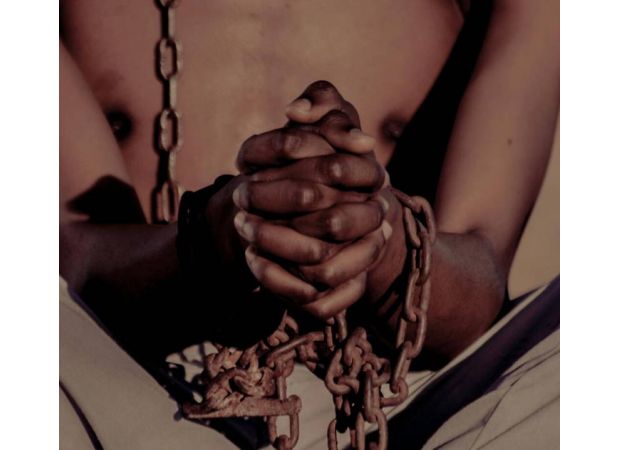
This battle for preservation began when the Trump Administration issued an executive order called "Restoring Truth and Sanity to American History." This order called for the removal of any "divisive narratives" from national sites, including the story of Oney Judge, an enslaved woman who escaped to freedom and built a new life in New Hampshire. However, this attempt to erase the truth of slavery and its impact on marginalized groups was met with resistance.
The Smithsonian's National Museum of African American History and Culture, along with other museums, were also targeted for "audits" in an effort to eliminate any mention of slavery. This was all part of Trump's "Make America Great Again" narrative, which many believed was an attempt to whitewash history. But the people of Philadelphia were not going to let their history be erased without a fight.
Civil rights activist Michael Coard, who had gathered dozens of people for the "Tell the Truth" rally, called the ruling a victory. However, he also acknowledged that the government may appeal and ask for a stay of the judgment while they appeal. Despite this, he remained hopeful and stated, "What we could possibly have gotten, we got it all."
Philadelphia City Council President Kenyatta Johnson, a vocal critic of Trump, released a statement in support of the ruling. He emphasized the importance of not letting the President "whitewash" African American history, stating that it is a vital part of American history. Judge Rufe seemed to echo this sentiment in her ruling, criticizing the idea that the truth is now determined by elected officials and their appointees. She wrote that every person who visits the President's House should learn the realities of slavery and the founding of our country.
In the end, the city of Philadelphia stood up for what they believed in and fought for the preservation of their history. And although the battle may not be over, their victory is a reminder that the truth will always prevail. As the saying goes, "Black history is American history," and it cannot and will not be erased.