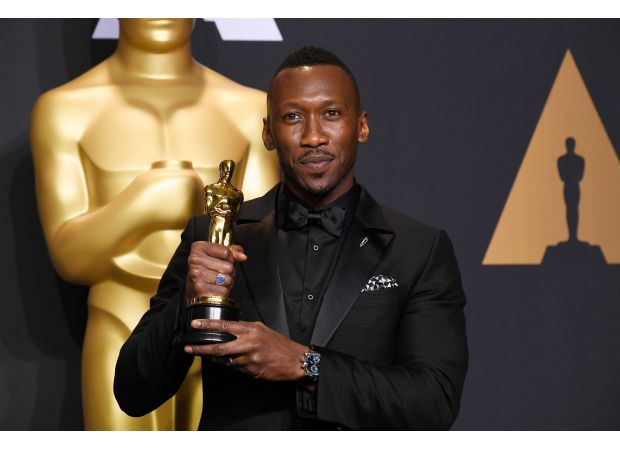

In 2017, actor Mahershala Ali made history by breaking the diversity drought at the Oscars. It seemed like a monumental feat, especially in an era where social media and hashtags are the norm. However, the previous year, the hashtag #OscarsSoWhite was a trending topic, coined by journalist April Reign.
This phrase became the symbol of the ongoing controversy regarding the lack of diversity at the Oscars, particularly in the acting categories. Films like Selma, Straight Outta Compton, Beasts of No Nation, Creed, and Concussion were highly acclaimed but failed to receive nominations. The backlash was significant, with prominent Black celebrities like Will Smith, Jada Pinkett Smith, Spike Lee, and Whoopi Goldberg speaking out against the lack of representation.
On the other hand, George Clooney and Reese Witherspoon showed their support for the Black and brown acting community. However, there were also those who dismissed the issue, like actress Charlotte Rampling, who claimed that addressing diversity was "racist against whites." Despite the negative commentary, the #OscarsSoWhite movement gained momentum, and the Academy was forced to take action. In 2016, they announced plans to double the number of women and ethnic minority members by 2020.
This year, with the film Sinners at the forefront of the nominations, it may seem like real change has finally occurred. Directed by Ryan Coogler, the film has received a record-breaking 16 nominations. Actors like Michael B Jordan, Delroy Lindo, and Wunmi Mosaku are also in the running for awards.
But the question remains, is this truly a significant step towards diversity, or is it just an illusion? The 2017 Oscars seemed to signal a change, with films like Moonlight, Fences, and Hidden Figures taking home major awards. However, there have also been instances of snubs and controversial nominations, such as the case of the film 13 directed by Emilia Perez.
The film received 13 nominations, despite its problematic representation of Mexican culture and lead actress Karla Sofía Gascón's offensive tweets. In 2021, there was also the surprising snub of Viola Davis for her highly praised performance in The Woman King. It seems like there have been some improvements in terms of diversity at the Oscars, but there is still a long way to go.
As Whoopi Goldberg questioned, why is diversity only a conversation once a year? The Academy has made some efforts, with women now outnumbering men on their Board of Governors. Research also shows that the number of Oscar nominees of color has increased from 8% to 17% in the last decade.
So, while it may be a small step for the Oscars, it is a significant leap for diversity. All eyes will be on the Academy this year to see if their efforts will truly impact the outcome of the awards and what more can be done in the future. It's a story that continues to unfold, and we can only hope for progress and inclusivity.

Trump opposes calls to regulate AI, saying it could harm US in the race against other countries....
Read More
Upasana Music hosts 'Sworanjali' at Soochana Bhawan in Bhubaneswar, while Cuttack Mahanagar Nagarik ...
Read More
Police in Odisha have filed a new case against BJD leader Bikram Kumar Panda, just released from jai...
Read More