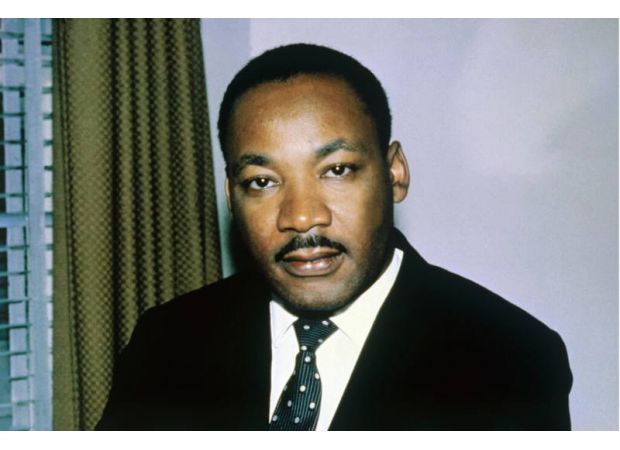
Today, on this significant day, we commemorate the King holiday, marking 58 years since the assassination of Dr. Martin Luther King Jr. in Memphis, Tennessee. In our current political climate, the words of the Reverend Dr. King hold just as much weight and impact as they did during his tireless fight for racial equity and inclusion during the Civil Rights Movement. Even now, his words continue to offer guidance and insight into the moral complexities of modern-day struggles and political polarization.
Dr. King's powerful speeches serve as a living commentary on America's ongoing fight for racial and economic justice. With unwavering conviction, his words act as a guiding light for our nation, urging us to take collective responsibility in reclaiming and redefining democracy as an integral part of our identity.
Today, King's quotes remain as relevant and poignant as ever, providing us with a profound understanding of the social and political landscape of 2026. His iconic "I have a dream..." speech, delivered at the Lincoln Memorial in Washington D.C. on August 28, 1963, remains a defining call for a nation to be judged not by the color of one's skin, but by the content of their character. This powerful message continues to shape America's ongoing struggle for racial equality and inform civil rights policy debates.
The statement "Injustice anywhere is a threat to justice everywhere," penned by Dr. King in his famous Letter from Birmingham Jail on April 16, 1963, serves as a reminder of the interconnectedness of justice. This quote remains highly relevant in the fight against both local and global injustices, inspiring us to take action and seek justice for all.
In his 1963 book, Strength to Love, King famously stated, "Darkness cannot drive out darkness; only light can do that." This powerful metaphor speaks to the importance of nonviolent resistance, even in the face of darkness and violence. It serves as a poignant reminder for movements and leaders to seek justice through moral clarity, especially in our current age of online hostility, political extremism, and social fragmentation.
Throughout his activism, King frequently used the phrase, "The time is always right to do what is right," to resist slow-moving civil rights legislation. This statement calls out lawmakers and corporations for delaying accountability, despite the urgency of racial equity and climate justice needs. Its relevance remains strong in 2026, as we continue to fight for justice and hold those in power accountable.
King's words also address the ethical consequences of remaining silent in the face of injustice. His quote, "Our lives begin to end the day we become silent about things that matter," delivered during the peak of the Civil Rights Movement, continues to inspire activists to encourage people to participate in political change and resist silence.
In his sermons, King used the metaphor of a staircase to describe the uncertain conditions experienced by those who opposed established power systems. His quote, "Faith is taking the first step even when you don't see the whole staircase," now appears regularly in leadership, entrepreneurship, and social justice spaces, highlighting the determination and resilience required to fight for equity without guaranteed results.
In his teachings on nonviolence, King stated, "Love is the only force capable of transforming an enemy into a friend." This quote serves as a powerful reminder in 2026 that lasting change requires reconciliation rather than retaliation, particularly in the face of violent opposition.
King's message of persistence and determination also remains relevant today. In the 1960s, he famously said, "If you can't fly, then run... but whatever you do, you have to keep moving forward." This quote emphasizes the need for forward movement, even in the face of fatigue and opposition, as we continue to face gradual progress alongside frequent barriers.
In his book, Strength to Love, King argues that the ultimate measure of a person is not where they stand in moments of comfort, but where they stand at times of challenge and controversy. This quote holds significant weight in our current times, reminding us of the importance of genuine character in tough times.
Finally, we cannot talk about the relevance of Dr. King's words in 2026 without mentioning his final speech, delivered on April 3, 1968, in Memphis, Tennessee, just one day before his assassination. In 2026, this address serves as a chilling reminder that progress often comes with sacrifice and that the fight for justice and equality is ongoing.
As we reflect on the King holiday and the enduring legacy of Dr. Martin Luther King Jr., let us remember his powerful words and use them as a guide to continue the fight for a more just and equitable world.