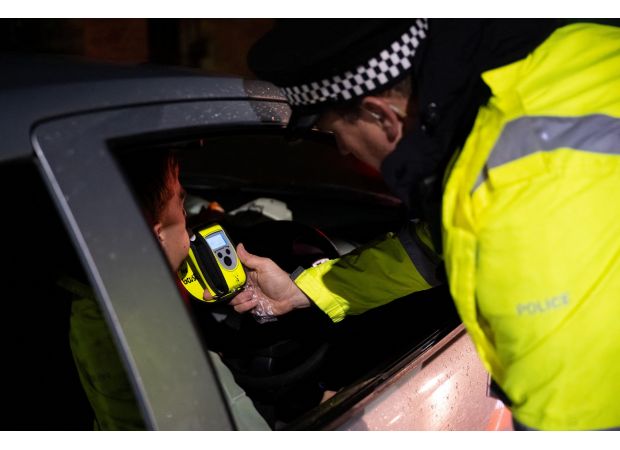
The government is taking serious action to address the high number of road deaths in the UK. They have proposed various measures, including implementing alcohol lock devices and reducing the drink-driving limit. These changes could have a significant impact on the safety of our roads. Additionally, they are considering new regulations for older drivers, illegal license plates, uninsured drivers, and other risky driving behaviors.
Heidi Alexander, the Transport Secretary, expressed her concern about the current situation, stating that it is unacceptable to have 1,600 people killed and thousands more seriously injured in road accidents every year. She emphasized the personal and financial costs of these tragedies for both individuals and their families, as well as the government's healthcare system.
The government is seeking public opinion on the proposed changes, and you can stay informed by signing up for Metro's News Updates newsletter or receiving Breaking News alerts. This strategy marks the first step towards a comprehensive road safety plan, and it includes several significant changes for motorists.
One of the most significant proposed changes is the reduction of the drink-driving limit in England and Wales. The current limit of 35 micrograms per 100ml of breath is one of the highest in Europe, along with Malta, and it has remained unchanged since 1967. The government is considering lowering it to 22 micrograms, bringing it in line with Scotland's limit since 2014.
Ministers also want to implement preventative technology, such as alcohol interlock devices, to reduce the number of drink-driving incidents. These devices would prevent drivers from operating their vehicle if they have consumed alcohol. This measure could potentially save lives, as one in six road deaths in 2023 involved drink-driving.
The government is also considering giving new powers to suspend licenses for drivers suspected of drink or drug driving. They would also require drivers convicted of this offense to have an alcohol interlock device installed before getting back on the road. According to a survey by the RAC, four out of five drivers support this measure.
In 2024, 1,602 people lost their lives on UK roads, compared to 7,763 in 1972. While this represents a significant decrease, the number has stalled since 2010, causing the UK to fall from third to fourth place in European road safety rankings. The proposed changes aim to further reduce this number and make our roads safer for everyone.
So, what do you think? Do you believe the UK should lower its drink-driving limit? The government wants to hear from you and is seeking public opinion on this matter. Let your voice be heard and help create a safer driving environment for all.
As the government takes action to address the rising number of road deaths, we can expect some major changes to be implemented soon. These measures include installing alcohol lock devices and reducing the drink-driving limit in England and Wales. The goal is to create a safer driving environment for everyone on the road.
In addition to these changes, there are plans to improve eye tests for older drivers, crack down on illegal ghost plates and uninsured drivers, and address issues like dangerous headlight glare and seatbelt non-compliance. The government also plans to introduce a minimum learning period for new drivers, in hopes of better preparing them for the road.
Transport Secretary Heidi Alexander expressed her concern over the current state of road safety, stating that it is completely unacceptable to have 1,600 people lose their lives and thousands more suffer serious injuries each year. These tragedies not only have a personal toll on the individuals and their families, but also cost the state billions of pounds in healthcare expenses.
To keep up with all the latest news and developments in road safety, you can sign up for Metro's News Updates newsletter or receive Breaking News alerts as they happen. Now, let's take a closer look at the specific changes the government is proposing.
One of the most significant changes is the potential reduction of the drink-driving limit in England and Wales. Currently, the limit stands at 35 micrograms of alcohol per 100ml of breath, which is considered to be one of the highest limits in Europe. The government plans to lower it to 22 micrograms, bringing it in line with Scotland's limit, which was reduced in 2014.
Since one in six road deaths involves alcohol, the government is also exploring the use of preventative technology, such as alcohol interlock devices, to stop drink-drivers before they get behind the wheel. However, despite having one of the lowest drink-drive limits in Europe, the UK still saw over 1,600 lives lost in alcohol-related crashes in 2024.
In addition to lowering the drink-driving limit, the government is also considering new powers to suspend licenses for those suspected of drink or drug driving. These individuals would need to pass an alcohol interlock test before being allowed back on the road. It seems that these measures have the support of the majority, as a recent survey found that four out of five drivers are in favor of alcohol interlocks.
Clearly, there is a pressing need to address the issue of drink-driving in the UK. While the number of road deaths has decreased since the 1970s, it has unfortunately stalled since 2010, causing the UK to fall in the European road safety rankings. In 2024 alone, there were 1,602 deaths on UK roads, compared to a staggering 7,763 in 1972.
As the government moves forward with consultations and proposals, we can only hope that these changes will lead to a safer and more responsible driving culture in the UK. And as we await the final decisions, the question remains: do you think the UK should lower its drink-driving limit?