
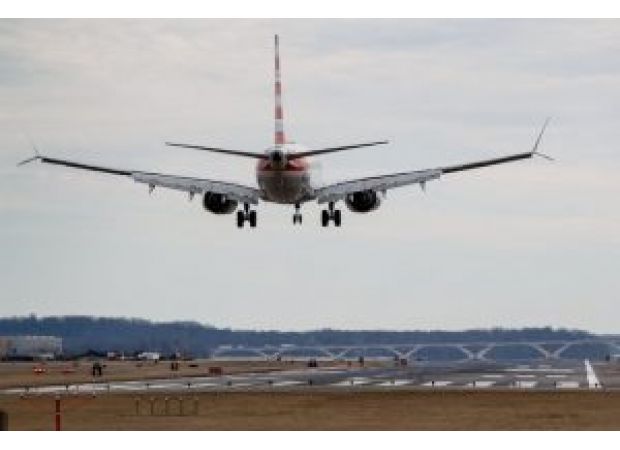

According to a recent report, Indian airlines are facing a tough decision regarding capacity cuts in light of the sharp increase in jet fuel prices. The next revision of Aviation Turbine Fuel (ATF) prices is expected in May and carriers are currently in a wait-and-watch mode as they assess the impact of rising fuel costs. Industry sources have indicated that airlines may need to make some changes, particularly on routes that are less profitable.
This could mean reducing frequencies on low-yield routes and potentially even cutting routes with consistently low passenger occupancy. With the possibility of significant fuel price hikes, short-haul sectors are expected to be the most affected. In light of these potential changes, airlines are evaluating different scenarios, including the government-imposed cap on ATF price increases.
If this cap is removed, it could result in a sharp increase in domestic flight cancellations, according to the report. While the government has taken some measures to support the aviation sector, such as reducing parking and landing charges at major airports and capping the increase in ATF prices for April, airlines are still cautious and closely monitoring fuel price movements. India's heavy reliance on oil imports, which make up over 85% of its fuel needs, has made it vulnerable to geopolitical disruptions.
The recent West Asia crisis has already led to supply concerns in some parts of the country. In response, the government has raised excise duties on petroleum products, including high-speed diesel, with immediate effect. In addition, the government has also increased duty on ATF to Rs 42 per litre from Rs 29.5 per litre earlier, while the export duty on petrol remains unchanged at nil.
This comes as oil marketing companies have already raised ATF prices. With these developments, it remains to be seen how Indian airlines will navigate the current situation and make necessary adjustments to their operations.

Thursday letters page excited for new Resident Evil movie, reader curious about difficulty of Fire E...
Read More
Material participation is crucial for investors and entrepreneurs to deduct losses from real estate ...
Read More
Election Commission orders AITC factions to not use party name and symbol during bypolls in West Ben...
Read More
Upasana Music hosts 'Sworanjali' at Soochana Bhawan in Bhubaneswar, while Cuttack Mahanagar Nagarik ...
Read More