
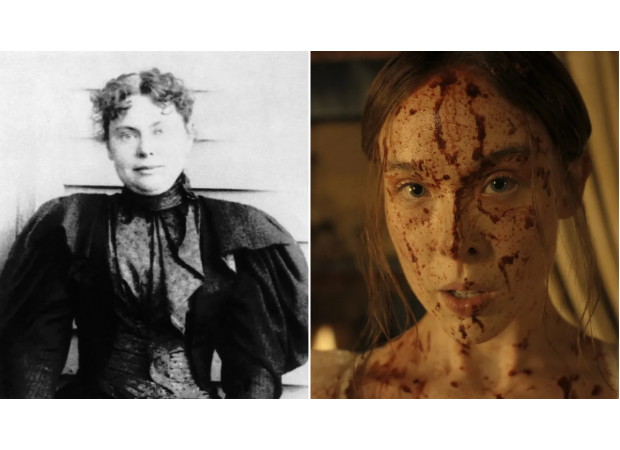

The year was 1892, and the small industrial city of Fall River was rocked by a brutal double murder. The victims were Andrew and Abby Borden, a wealthy couple who were found hacked to death in their own home. The prime suspect?
Andrew's 32-year-old daughter, Lizzie Borden. The case quickly became one of the most enduring murder mysteries in modern history, capturing the attention and fascination of the public for over a century. On a sweltering August day, the bodies of Andrew and Abby were discovered in their home - Andrew downstairs on the sofa, and Abby upstairs in the guest bedroom.
She had been brutally killed with 19 axe blows, while Andrew's body showed no signs of struggle. To make things even more puzzling, Lizzie claimed to have been completely unaware of the murders, despite being on the property at the time. She stated that she had been in the barn behind the house, eating pears, when the killings took place.
However, this did not stop her from becoming the main suspect in the case - in fact, she was the only person ever charged with the murders. According to historian Cara Robertson, author of The Trial of Lizzie Borden, the nature of the murders was horrifying and violent, and considered to be very male-coded. It was difficult for people to believe that a woman who seemed to embody all the qualities of a respectable upper-middle-class lady could commit such a heinous crime.
Lizzie, who was known to be a quiet and churchgoing lady in the town of Fall River, was now at the center of a sensational trial. The upcoming Netflix series, Monster: The Lizzie Borden Story, will delve into her story, with actress Ella Beatty playing the lead role and Charlie Hunnam as her father. As the public was captivated by the case, they soon learned that the Borden family was not a happy one.
Lizzie's father had remarried after her mother's death, and she and her older sister Emma did not get along with their stepmother, Abby. They even refused to call her "mother" and instead referred to her as "Mrs. Borden." The family lived separate lives and had their own routines, with Lizzie even going as far as moving furniture to block the door connecting her room to her father and stepmother's.
There were also tensions over money, as Andrew Borden was known to be stingy with his daughters, despite his considerable wealth. He even gave property to Abby's relatives, which caused further resentment among the family. But was it enough to drive Lizzie to commit murder?
The evidence at the scene of the crime seemed to point to Lizzie. Police found a bucket of bloody rags in the basement, although she claimed they were menstrual towels. The day before the murders, she had also tried to buy a deadly poison, claiming she needed it to clean a sealskin coat.
However, she was refused, and she also had no alibi for the time of the murders. As Lizzie awaited trial in prison, she was afforded privileges that were unheard of for other murder suspects. She spent eight months in a well-appointed cell, with comfortable furniture and meals from a local restaurant.
She even had a pet cat named Daisy as a companion. When the trial finally began, it was a spectacle. Lizzie appeared calm and well-dressed in court, bringing a bouquet of fresh flowers with her every day.
This contrasted sharply with the gruesome nature of the crimes. Some news reports portrayed her as an innocent and refined daughter, while others hinted at a darker side to her. The intense media coverage only added to the fascination surrounding Lizzie Borden and her place in American criminal history.
Lizzie Borden was at the center of one of the most perplexing murder cases of modern history. The tale of a wealthy couple brutally killed in their home in Fall River, Massachusetts, captured the attention and imagination of the public, sparking endless debates and theories that have endured for over a century. It was a hot August day in 1892 when Andrew and Abby Borden were viciously attacked and left for dead in their own home.
Andrew was found downstairs on the sofa, while Abby was discovered upstairs in the guest bedroom. It was a grisly scene, with Abby having suffered 19 axe wounds. The main suspect?
Andrew's 32-year-old daughter, Lizzie. Despite being on the property at the time of the murders, Lizzie claimed to have been unaware of what had happened. She stated that she had been in the barn behind the house eating pears when her father and stepmother were killed.
However, she soon became the prime suspect and the only person ever charged with the killings. Historian Cara Robertson, author of The Trial of Lizzie Borden, explains the shock and disbelief that surrounded the case: "The nature of the murders was so gruesome and violent, it was hard to believe that a woman who appeared to be a respectable, upper-middle-class lady could commit such a heinous crime." To the people of Fall River, Lizzie was considered a quiet and devout churchgoer. However, as more details emerged, it became clear that the Borden household was far from a picture-perfect family.
Lizzie's father had remarried after her mother's death, and Lizzie and her older sister Emma did not get along with their stepmother Abby. The family lived separate lives and had different routines, with Lizzie even going as far as to barricade her bedroom door from the rest of the house. Money was also a source of conflict.
Lizzie and Emma were unhappy with their father's generosity towards Abby's relatives, and Lizzie was frustrated with her meager allowance despite her family's wealth. But were these enough to drive her to commit such a horrific act? As the evidence against her mounted, Lizzie's quiet and respectable image began to crumble.
Police found a bucket of bloody rags in the basement, and Lizzie's attempt to purchase a deadly poison the day before the murders raised further suspicion. She claimed to need it for cleaning a coat, but the hot summer weather made this explanation seem unlikely. And with no alibi, Lizzie was charged with the murders.
During her time in prison awaiting trial, Lizzie was given special privileges and comforts that were unheard of for a murder suspect. She had a well-appointed cell, received gifts and visitors, and even had a pet cat to keep her company. When the trial finally began, Lizzie maintained her composure and appeared in court dressed in her finest attire, often bringing fresh flowers with her.
The media circus surrounding the trial depicted Lizzie in conflicting lights - some portrayals painted her as a refined and innocent woman incapable of such a brutal act, while others suggested she was a calculating killer hiding behind a respectable facade. This intense media coverage thrust Lizzie Borden into the spotlight and cemented her place as one of the most infamous figures in American criminal history.

Upasana Music hosts 'Sworanjali' at Soochana Bhawan in Bhubaneswar, while Cuttack Mahanagar Nagarik ...
Read More
Police in Odisha have filed a new case against BJD leader Bikram Kumar Panda, just released from jai...
Read More
U.S. lawmakers rush to add amendments to Russia sanctions bill, including naming top trading partner...
Read More
Some readers are skeptical of Jason and Lucia's characters in GTA 6, with one citing concerns about ...
Read More