In the district of Bolangir, a concerning issue has come to light regarding the ongoing High School Certificate examinations. It has been reported that more than 700 students have failed to attend the exams due to their families' seasonal migration for work. This has raised serious concerns about the impact of this migration on the secondary education of these students.
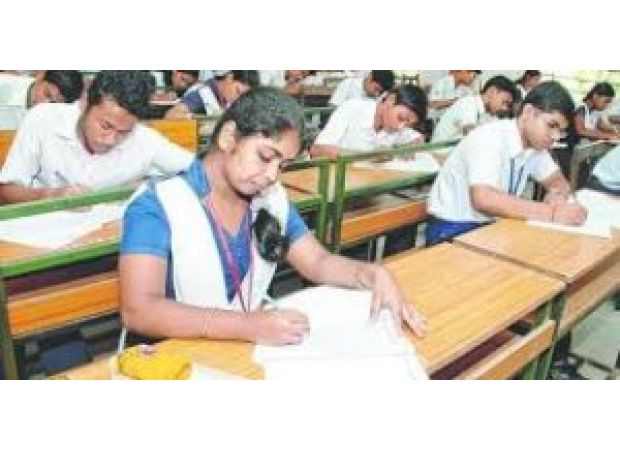
According to officials in the district, a total of 701 students have been absent from the matriculation examination so far. The exam, which began last Thursday, is being held in 168 centers across the district. This year, a total of 24,091 students from 371 high schools were deemed eligible to take the exam.
Bolangir is known to be one of the districts in Odisha that experiences a high rate of seasonal migration. Every year, thousands of families leave the state in search of work. Many education experts and local residents suspect that the absent students may have accompanied their parents as migrant laborers, also known as "dadan" workers. This has resulted in their failure to appear for the crucial board examination.
The blocks of Belpada, Khaprakhol, Patnagarh, Turekela, Muribahal, Bangomunda, and Titilagarh have reported the highest levels of seasonal migration. In some cases, children also travel with their parents, causing a prolonged disruption in their schooling.
On the first day of the examination alone, 717 students were found to be absent. This has triggered concern within the district administration and the School and Mass Education department. Experts warn that this high rate of absenteeism could potentially jeopardize the academic future of these students.
In response to this issue, the District Education Officer, Pradeep Kumar Nag, has instructed headmasters to conduct door-to-door visits to determine the reasons behind the students' absences. He also mentioned that schools have been asked to gather detailed information about each absent student and submit reports. The exact reasons for their absence will become clearer once this verification process is complete. However, there is currently no official confirmation linking the absences directly to migration.
Interestingly, in the year 2025, a similar number of 700 students had also missed the matric examination in the district. Critics argue that the recurrence of this figure suggests that sufficient measures were not taken to prevent such disruptions, despite the warning signs from last year.
Education experts have urged the administration to take immediate action to address the disruptions caused by migration and ensure that students from vulnerable families are not deprived of the opportunity to complete their secondary education. It is a pressing matter that needs to be addressed to secure the academic future of these students.