
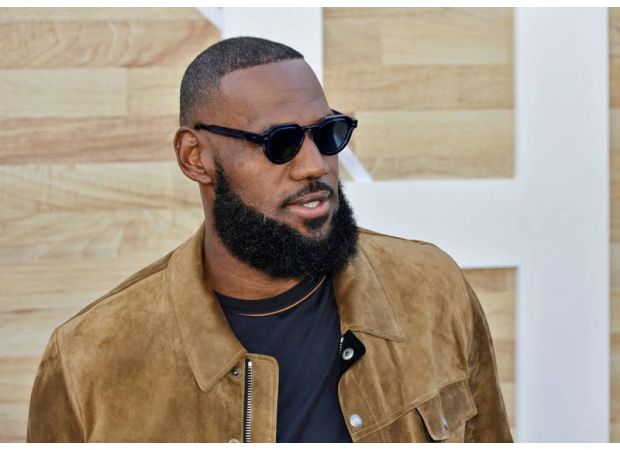

In the year 2011, the renowned NBA superstar, LeBron James, made a bold move by investing a whopping $6.5 million to obtain a 2% minority stake in Liverpool Football Club. This was met with much attention from the sports media, as James was only one year into his six-year, $109 million contract with the Miami Heat. Many saw this as a unique endorsement deal, but little did they know that this investment would go on to become a groundbreaking business decision, highlighting the immense power of equity ownership and the potential for long-term financial success for Black entrepreneurs and institutional investors.
According to SportsBible, James' initial investment has yielded an astonishing return of approximately 1,567%. As of today, his equity is estimated to be worth around $100 million, showcasing the impressive growth and success of this investment. This significant gain was made possible by a strategic move in 2021, when James, now 41 years old, decided to exchange his 2% direct stake in Liverpool FC for a 1% ownership stake in Fenway Sports Group, the parent company of Liverpool FC.
This move by James has not only been a masterclass in equity and portfolio diversification but has also highlighted the immense potential and growth of Fenway Sports Group. With a diverse sports portfolio, including assets such as the Boston Red Sox, Pittsburgh Penguins, New England Sports Network, and Liverpool FC, Forbes estimates FSG's total value to be a staggering $12.95 billion. Liverpool FC alone is valued between $5.4 billion and $6.2 billion, making James' stake in FSG worth between $100 million and $129.5 million.
James' investment in Liverpool FC serves as a valuable model for financial empowerment, particularly for Black athletes who have historically generated significant revenue for brands, universities, and leagues but have rarely secured long-term equity in parent organizations. With his approach, James has shifted from being a high-earning talent to an equity partner, showcasing a significant shift in the approach to financial success. Liverpool FC's financial success can be attributed to the disciplined operational management implemented by FSG.
When FSG acquired the club in 2010, under the principal owner John Henry, Liverpool FC was facing inconsistent performance and financial struggles. However, with a focus on analytics-driven decisions, strict budgeting, and strategic investments, FSG was able to turn things around. The hiring of Jürgen Klopp and a data-focused recruitment strategy led to the club winning nine major trophies in just seven years.
This operational excellence also resulted in significant global brand growth for Liverpool FC, with an increase in international digital following by 40 million and generating an annual revenue of $719 million with an operating income of $102 million in 2024. James played a crucial role in this success, as seen in FSG securing a five-year apparel agreement with Nike in 2020, where James holds a lifetime partnership. This partnership not only brings in financial returns but also supports James' goal of becoming a majority owner of an NBA expansion franchise.
Apart from the financial gains, James' investment in FSG has had a broader impact on Black ownership in sports. With Liverpool FC's balance sheet showcasing corporate discipline and a low debt-to-value ratio of just 3%, it serves as a valuable lesson for Black-owned businesses navigating challenging capital markets. James' involvement in FSG also places him among the top global sports leaders, further showcasing the immense potential and power of institutional equity ownership.
In conclusion, James' decision to invest $6.5 million in Liverpool FC has not only yielded a considerable return on investment but has also become a model for global asset strategy. It highlights the importance of acquiring, growing, and retaining institutional equity for lasting financial empowerment, rather than solely relying on high salaries. James' journey with FSG serves as a valuable lesson for Black entrepreneurs, executives, and investors, showcasing the potential for long-term financial success through strategic equity ownership.

Material participation is crucial for investors and entrepreneurs to deduct losses from real estate ...
Read More
Some readers are skeptical of Jason and Lucia's characters in GTA 6, with one citing concerns about ...
Read More
The Monday letters page debates the value of Marvel's Wolverine, with one reader supporting Sony ove...
Read More
People in Kataka are preparing for Ganesh Puja by buying idols, decorating them, and watching perfor...
Read More