Twitter is a popular platform for people to express themselves and connect with others. While it is a public platform, not everything that is posted, deleted, or shared can be easily tracked, especially on protected accounts. If you have ever wondered how to hack someone's Twitter, you are not alone. Many people are interested in seeing deleted tweets, hidden replies, or direct messages that do not show up on public timelines. This can be for various reasons, such as parental oversight, account verification, or peace of mind. However, the built-in tools provided by Twitter may not always be enough.
This is where hacking solutions come into play. One of the most efficient and discreet ways to hack someone's Twitter activity is through xMobi. This tool allows you to remotely and securely access someone's Twitter account and view their tweets, retweets, replies, and even deleted content, if available. Whether you are checking someone's Twitter behavior for personal or professional reasons, xMobi is a great option, as it does not require any technical skills and provides quick results without the need to root or jailbreak the phone.
Twitter does not offer any built-in tools to track deleted tweets, private messages, or hidden activity, especially on protected accounts. However, there are external tools available that can fill this gap. Here, we will discuss the best tools for hacking someone's Twitter account, each offering a different level of access based on your needs.
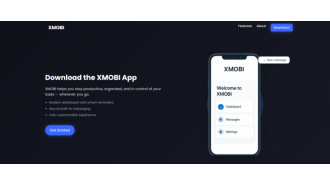
First on the list is xMobi, which is known for its speed and user-friendly interface. It allows you to hack Twitter without having to install anything on the device. Once the target number or account is verified, a dashboard is displayed where you can view activity logs, content history, and interaction data. This tool is ideal for those who want to see someone's Twitter content within minutes, without the need for any special technical skills or access to the phone.
Next up is uMobix, which provides the most complete access to someone's Twitter activity. Once installed on a phone, it logs every action made through the Twitter app or mobile browser and syncs it all to a private dashboard. This includes private messages, login sessions, deleted posts, and even content that was typed but not sent. It works on both Android and iOS devices without the need for rooting or jailbreaking.
For those who only need one-time or anonymous access to private Twitter profiles, PeekViewer is a great option. It does not require any login credentials or app installation. All you need to do is enter the target username, and the tool will scan public cache layers and stored data associated with that account. This is perfect for checking protected tweets or locked profiles without directly following or interacting with the person. However, it does not provide access to private messages or long-term logs.
Now, you may be wondering how these tools actually hack into someone's Twitter account. It is important to understand that these tools do not break into accounts or bypass Twitter's security. They work through authorized access, device-level visibility, or cached data, depending on the tool that you choose.
Tools like uMobix operate at the device level, meaning that they hack into activity directly on the phone where Twitter is being used. This allows for real-time visibility and is the most reliable way to hack ongoing Twitter activity. On the other hand, tools like xMobi and PeekViewer rely more on cached or recently synced data. They pull information from the device that has not been fully cleared yet, which is why timing is crucial. These tools are best for quick checks or short-term hacking, not long-term tracking.
All three tools present the hacked information through a private, browser-based dashboard. This allows you to remotely access the Twitter activity without touching the device again. The tweets, replies, media, and deleted content are all organized clearly, making it easy to review the person's behavior without having to dig through the app itself.
It is important to note that these tools do not exploit Twitter's servers or bypass encryption. They work through legitimate data access methods and are safer and more stable than fake "Twitter spy" websites that claim to provide impossible results.
In conclusion, if you are looking for a safe and effective way to hack someone's Twitter, it is important to use tools that are reliable, private, and actually work. The built-in features provided by Twitter may not show deleted tweets, protected content, or direct messages. Fake viewer sites can also put your own privacy at risk. Therefore, tools like xMobi, uMobix, and PeekViewer are realistic solutions that cater to various needs and can be used without rooting, jailbreaking, or any other risky methods. It is important to always use these tools responsibly and within legal limits.
Here are some frequently asked questions about hacking someone's Twitter:
1. Can I hack someone's Twitter account without them knowing?
Yes, tools like xMobi and uMobix run silently and do not alert the user in any way. PeekViewer also offers anonymous one-time access with no trace.
2. Can I see someone's deleted tweets?
Yes, if you are using uMobix or xMobi. These tools can log deleted tweets if they were captured before deletion or stored in cached memory.
3. Does this work for private Twitter accounts?
Yes, PeekViewer allows you to view protected tweets anonymously, and uMobix can display all private activity once it is installed on the device.
4. Do I need the person's Twitter login or password?
No, none of these tools require account credentials. They either work through the device or pull data from external sources.
5. Is xMobi safe to use?
Yes, xMobi is a secure, web-based tool that does not require any downloads or technical skills. It is designed for fast and private access to Twitter data.
6. Are these tools compatible with both Android and iPhone?
Yes, xMobi, uMobix, and PeekViewer are all compatible with both Android and iOS devices. However, the setup process may vary slightly depending on the platform.