
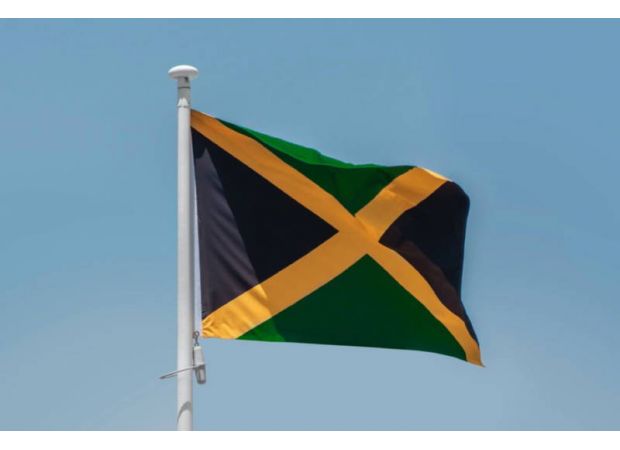

According to a report from The Guardian, Jamaica has announced plans to send a government delegation to the United Kingdom on September 6th. Their intention is to formally present a petition for reparations for the transatlantic slave trade to King Charles III. This move is a result of the Caribbean community's efforts, as well as the updated reparations manifesto released by the CARICOM Reparations Commission in June of 2026.
The petition asks the monarch, who also serves as the head of state for Jamaica, to seek legal clarification from the Judicial Committee of the Privy Council. The main question being raised is whether Britain has a legal obligation to provide reparations for the lasting impact of the transatlantic slave trade on the Caribbean. This is a significant step for Jamaica, as it marks the first time they will be directly addressing the issue with the British monarchy.
In the past, Britain has consistently rejected calls for reparations, stating that they do not support financial compensation for the institution of slavery. However, they do acknowledge their historical role in the slave trade. This stance has been challenged by Jamaica's Culture Minister, Olivia Grange, who spoke before the country's Parliament on June 30th, 2026.
Grange shared that September 6th was chosen as the date for the petition due to its significance in history. On that date in 1781, the Zong slave ship set sail from West Africa towards Jamaica, carrying 442 enslaved Africans. During the voyage, approximately 140 of them were thrown overboard, and the ship finally arrived in Jamaica on December 21st, 1781.
This event has been recognized by historians as one of the most horrific atrocities of the transatlantic slave trade. Grange also pointed out the fact that while Britain compensated slave owners after emancipation in 1834, no financial restitution was given to the formerly enslaved Africans. Instead, they were forced to complete a period of unpaid apprenticeship.
Britain had paid £20 million to compensate enslavers through a government-backed loan, which was only fully repaid in 2015. Jamaica's National Council on Reparations, led by chair Laleta Davis Mattis, considers this petition a significant milestone in their pursuit of reparatory justice. The initiative has been developed by a team of legal experts from both Jamaica and Britain.
Deputy Chair Bert Samuels also expressed his confidence in the country's legal position, citing the United Nations General Assembly's resolution on March 25th, 2026, which recognizes the transatlantic trafficking of enslaved Africans as a crime against humanity. Samuels also spoke about the struggle for freedom that lasted for 300 years, saying that those who were enslaved must have felt hopeless at times. However, they are accustomed to fighting for a cause that may seem impossible at times.
This sentiment was echoed by the recent announcement made by Barbados Prime Minister, Mia Mottley, in which she unveiled an expanded Caribbean Reparations Plan in Ghana. It is clear that the fight for reparations is gaining momentum and will not be ignored.
Odisha's four Left parties are calling for the removal of the Chief Election Commissioner and for th...
Read More
Odisha Tourism Department signs MoUs to boost homestays and adventure/heritage tourism with SBI, Dep...
Read More
Xbox exec reassures fans that GTA 6 pre-orders are doing extremely well despite recent layoffs and w...
Read More
Many gamers are now in their 40s, yet publishers still prioritize catering to younger audiences, lea...
Read More