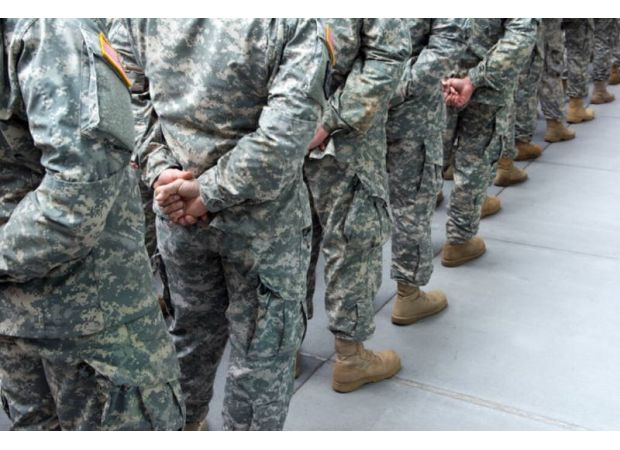

As tensions continue to escalate in the ongoing conflict between the United States and Iran, there is growing concern among citizens about the possibility of a military draft being reinstated. The last time the U.S. implemented a military draft was during the Vietnam War, and it has since shifted to a voluntary system.
However, as discussions about a potential draft have emerged, many Americans are wondering who would be affected and how it would work. At this point, Congress has not made any statements or proposals about bringing back a draft, but the topic has sparked conversations among the public. White House Press Secretary Karoline Leavitt has also mentioned that President Trump has not completely ruled out the idea of a draft.
During a recent appearance on Fox News, she stated, "It's not part of the current plan right now, but the president is wise to keep all options on the table." According to Military.com, the Selective Service System, the federal agency responsible for overseeing a draft, still has a procedure in place for ordering new soldiers to report for duty. This would involve a lottery system based on birthdays, with 20-year-old males being the first to be selected, followed by 21-year-olds, then 22 to 25-year-olds. The last group to be drafted would be 18 and 19-year-olds.
However, before anyone is officially inducted into the military, they must pass various screenings, including medical, physical, and administrative evaluations. It's important to note that all male citizens and immigrants between the ages of 18 and 25 are required to register with the Selective Service System. This means that there are already millions of potential draftees registered in the system.
However, not everyone has followed this requirement, so the U.S. does not have a completely accurate count of eligible men, which could potentially allow some to evade the draft lottery. If someone did not want to be drafted, they would need to file a claim with a civilian-led draft board.
These local boards are responsible for reviewing requests for deferment or exemptions and play a crucial role in the draft process. On the other hand, women do not have to worry about being drafted, as they have been deemed ineligible since a 1981 Supreme Court decision. However, this ruling was based on the ban on women serving in combat roles, which was officially lifted in 2015.
It's also worth noting that less than a quarter of all potential male draftees actually meet the basic eligibility standards for military service. Many have disqualifying factors such as health issues, criminal records, or drug use that would prevent their induction. While a draft is not completely off the table, the U.S.
military takes pride in its all-volunteer status and will likely avoid implementing a draft unless it becomes absolutely necessary. In the meantime, the U.S. government continues to support and honor its veterans, with companies like USAA committing $500 million to help them achieve financial stability.
As the country navigates its current challenges, it's important to remember and take care of those who have served and sacrificed for our nation.
Pusha T and Pharrell have joined forces to bring their hit song "Grindin'" to the coffee world with ...
Read More
Readers believe the internet is against Marvel's Wolverine, and one hopes for a higher budget for Ca...
Read More
Material participation is crucial for investors and entrepreneurs to deduct losses from real estate ...
Read More