
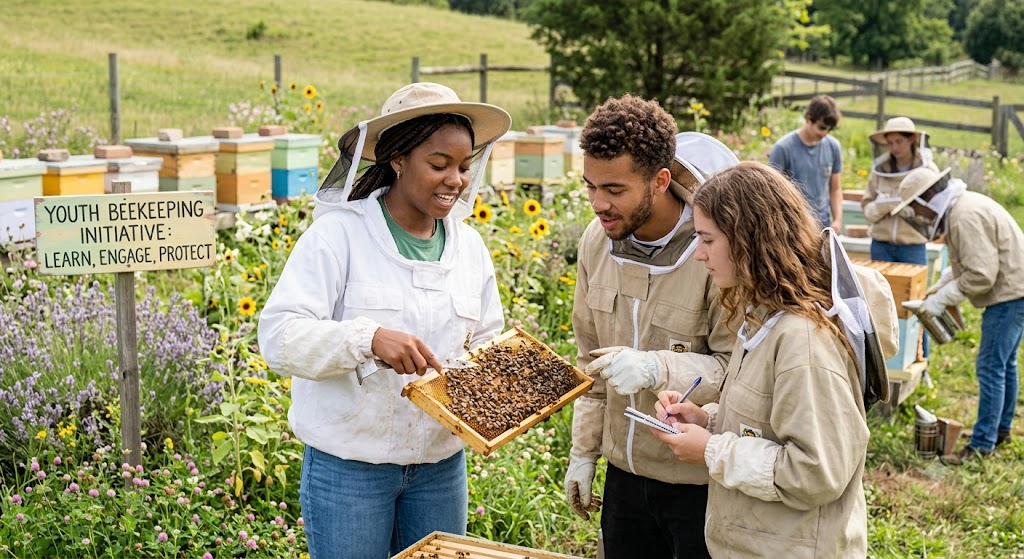

*Gonikoppa, Oct. 6:* Indian honey is known for its quality, and demand for it is rising in foreign markets. Dr. K.C. Narayanaswamy, Vice-Chancellor of the University of Agricultural Sciences, Mandya, urged the youth to develop a keen interest in beekeeping and build self-reliant lives.
He was speaking after inaugurating a state-level beekeepers' convention held at the library hall of the College of Forestry, Ponnampet. The event was organized jointly by the University of Agricultural Sciences (Mandya), the College of Forestry (Ponnampet), the Kodagu District Extension Education Unit, and the Khadi and Village Industries Commission.
Indian honey enjoys high demand in the global market, with an annual domestic production of approximately 1.56 lakh metric tonnes. Of this, about 1.04 lakh metric tonnes are exported to various countries, including those in Asia and Europe. Beekeeping offers excellent opportunities for the economic self-reliance of farmers.
Honeybees are not merely insects that produce honey; they are a vital component of ecological balance. A decline in the honeybee population not only disrupts nature's balance but also adversely affects agricultural production. Honeybees play a crucial role in enhancing crop yield and quality through pollination. It was warned that the loss of honeybees could lead to reduced agricultural yields, potentially pushing farmers into financial distress.
Adopting scientific beekeeping methods can provide farmers with financial security in addition to supplementary income. Integrating beekeeping with agriculture can also create employment opportunities in rural areas.
Disclaimer: This article has been translated by xklsv.com using advanced AI-based translation tools. Please note that the use of AI for translation is still experimental and may not be 100% accurate. The original content is sourced from shakthidaily.info, and Shakthi Daily is not responsible or liable for any errors, omissions, or inaccuracies that may appear in the translated version, including spelling, grammar, or contextual misunderstandings.
If you come across any mistakes or inconsistencies in this translation, we kindly request you to report them by sending an email to [email protected]
Your feedback will help us improve the quality.
The image in this article has been generated using artificial intelligence and is intended for illustrative purposes only. It may not reflect real-world accuracy.
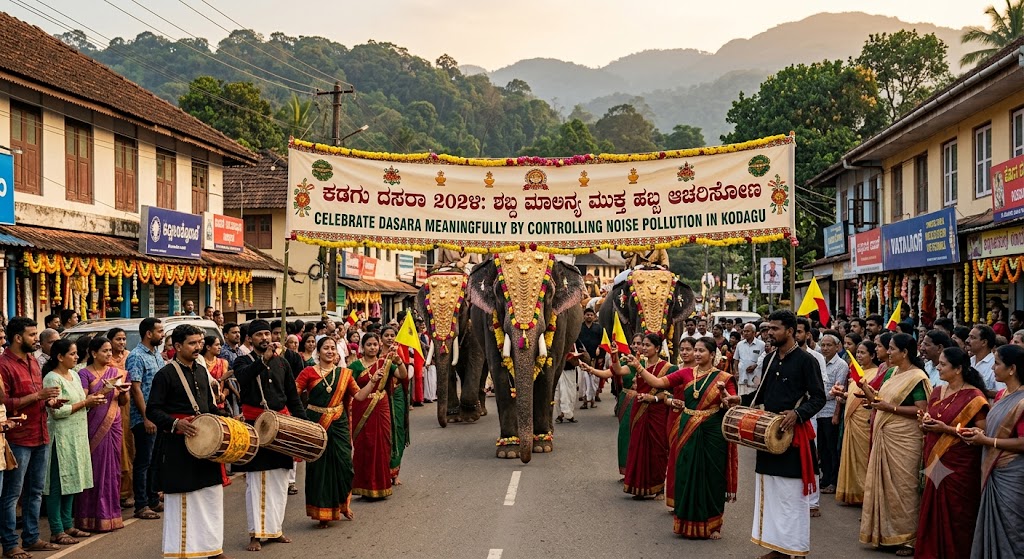
Celebrate Dasara Responsibly by Reducing Noise Pollution ...
Read More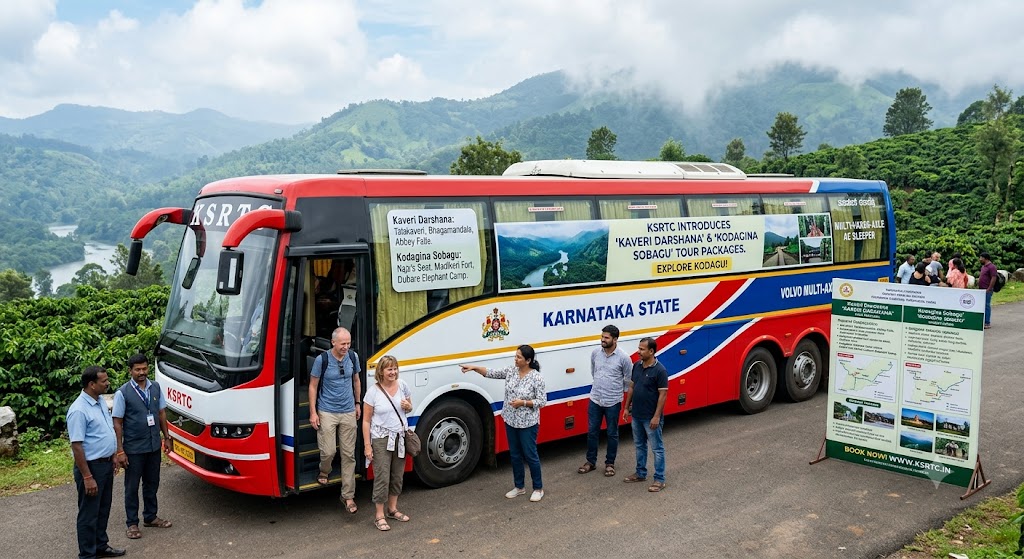
KSRTC Introduces ‘Kaveri Darshana’ and ‘Kodagina Sobagu’ Tour Packages...
Read More
Ponnampet Kodava Samaja Holds General Body Meeting...
Read More