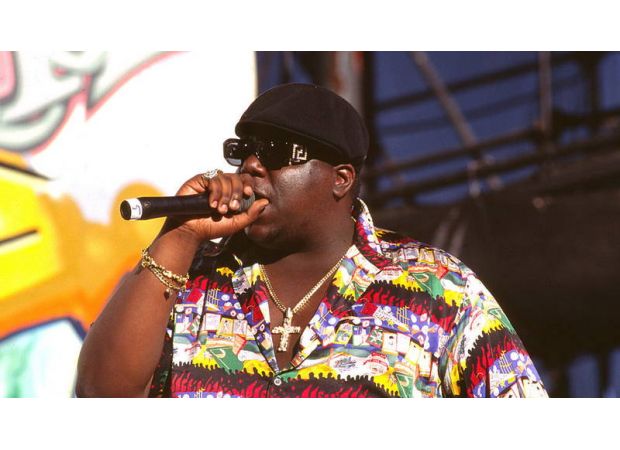

The world of hip-hop was shaken to its core on March 9, 1997, when the news broke that Christopher Wallace, better known as "The Notorious B.I.G." or "Biggie," had been tragically killed in a drive-by shooting in Los Angeles. The 24-year-old rapper from Brooklyn had been attending a party at the Petersen Automotive Museum when his SUV was ambushed at a red light by a passing vehicle. Despite receiving emergency surgery, Biggie passed away at 1:15 a.m.
that morning. This devastating loss came just six months after the death of fellow rapper Tupac Shakur, marking a dark period in the mid-1990s East Coast-West Coast rap rivalry. Despite three decades of investigation, the case remains unsolved, leaving the hip-hop community with a lingering sense of injustice and pain.
Recently, the release of the docuseries "Sean Combs: The Reckoning" has brought the case back into the public eye, delving into the various theories surrounding both Wallace and Shakur's deaths. The series sheds light on the dangerous circumstances faced by these beloved artists, with industry conflicts and Biggie's decision to visit Los Angeles being cited as contributing factors. Biggie's murder continues to be one of the most enduring unsolved crimes in hip-hop history, leaving a void in the industry and in the hearts of his fans.
In his short career, he made a lasting impact as one of the most influential hip-hop lyricists of all time. Through interviews and his music, he shared his experiences as a rising artist navigating fame, his troubled past, and the cutthroat nature of the music business. One rare interview from 1994 captures Biggie's unique approach to achieving success in the rap industry.
He discusses his decision to join Bad Boy Records and the process of creating his debut album, "Ready to Die." He credits Sean "Diddy" Combs' mentorship for helping him transform from a street hustler to a hip-hop legend. During the filming of the music video for his debut single "Warning," Biggie gave another interview, revealing that the song's storytelling style was inspired by real-life events and stories from his neighborhood. These experiences shaped the hard-hitting storytelling that defined his debut album.
In a 1997 interview on The Dog House radio show, Biggie discussed the heightened security measures he had put in place due to his fame, shedding light on the state of hip-hop security at the time. This interview took place just four days before his tragic death in Los Angeles. One of the last television interviews Biggie gave was on Rap City in 1997, where he discussed life and death and the impact of Tupac Shakur's murder.
He spoke about his upcoming album "Life After Death," his growth as an artist, and his thoughts on the hip-hop community following Shakur's death. The loss of The Notorious B.I.G. continues to be felt in the hip-hop community, with his legacy living on through his music and the influence he had on the genre.
The Brooklyn Nets will honor him during the upcoming season with special edition uniforms, further cementing his place in hip-hop history.

"Things will improve and there is hope for the future."...
Read More
Amazon warehouse workers experience musculoskeletal injuries, including hernias, at a significantly ...
Read More
Steve Cassidy, owner of dispensary, wanted to help community like other businesses nearby....
Read More
A man in Digapahandi attacked his foster-father with a surgical blade over a family dispute, leaving...
Read More