
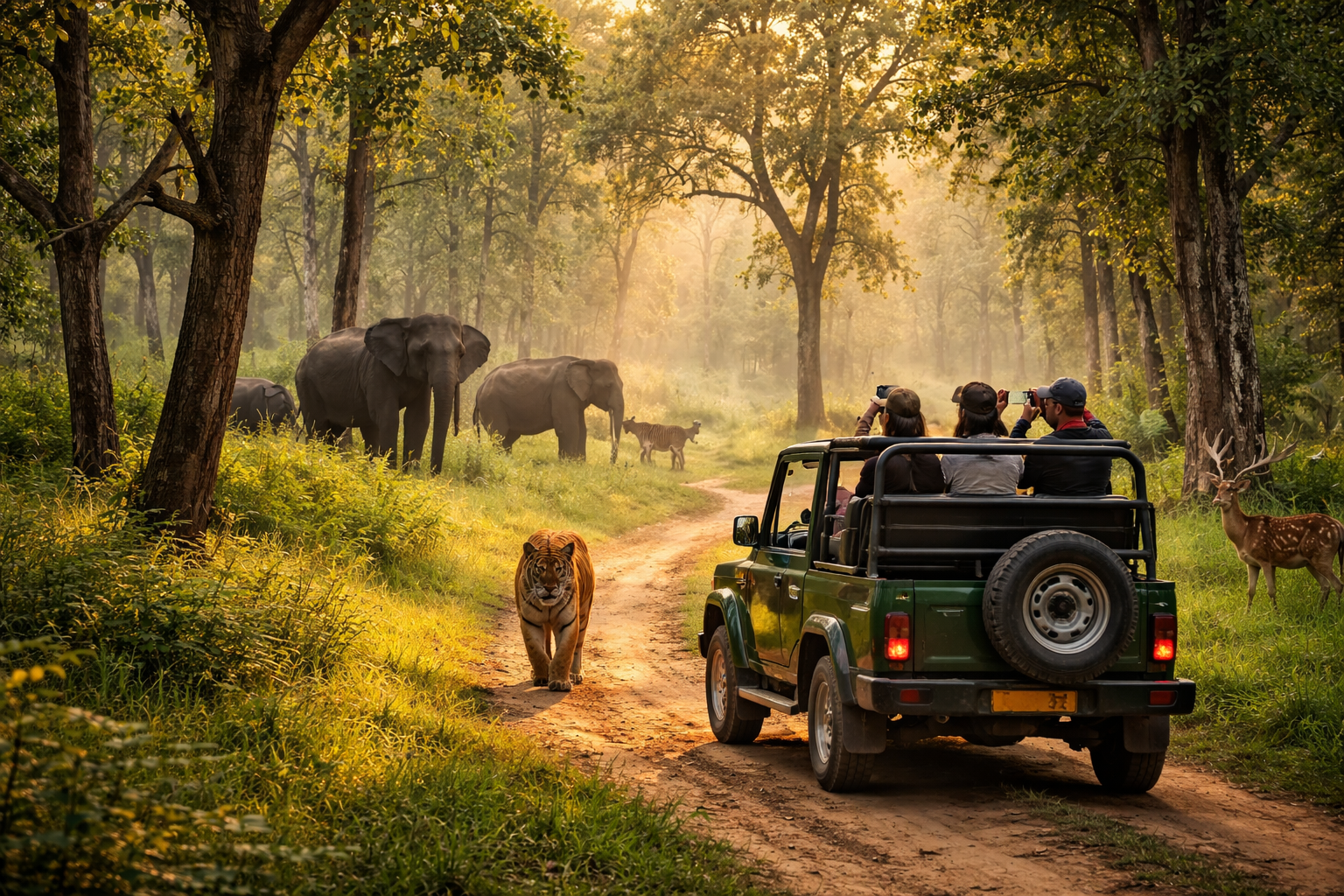

Bandipur Nagarhole Safari to be resumed in phases
Bengaluru, Feb. 18: The Bandipur and Nagarhole Tiger Reserves, which were suspended since November 7 due to human-wildlife conflict, especially a series of deaths due to tiger attacks, have been decided to be resumed in phases based on the report of a technical committee, said Forest, Biology and Environment Minister Ishwar B. Khandre.
In a meeting held with senior officials at Vikas Soudha today, the preliminary report given by the technical committee headed by the Additional Principal Chief Conservator of Forests, which has been constituted to scientifically determine the carrying capacity of eco-tourism in the Bandipur and Nagarhole Tiger Reserves, was reviewed.
In Heggad Devankote, thousands of locals, including farmers, have protested and requested that the safari be resumed after the resort staff stopped the safari, which has disrupted their livelihoods, and in the wake of reports being published in many state and national media outlets that the safari should be resumed, there was a long discussion on the need to restart the safari in a controlled and phased manner, as lives must be saved and livelihoods must be ensured.
He then informed that the safari, which was being run in Bandipur till November, has been agreed to by reducing the number of trips, time and vehicles.
Earlier, the safari was run for 8 hours in Bandipur. Now it has been reduced to 5 hours. Similarly, in the first phase, only 6 hours of safari were allowed in Sunkadakatte and 4 hours in Nagarhole.
Decision in the meeting led by the Chief Minister
In the 20th meeting of the Karnataka Wildlife Board held under the chairmanship of the Chief Minister on January 2, it was decided to form a technical committee and start the safari in a phased manner based on the study report. Accordingly, a technical committee was formed under the leadership of the Additional Chief Conservator of Forests, comprising other officers of the Forest Department, a scientist from the Wildlife Institute of India, Dehradun (WII), and a professor from the Indian Institute of Forest Management, Bhopal (IIEO). He said that this decision was taken after a thorough discussion today on the interim report given by this committee.
One-third of safari revenue for local development Currently, eco-tourism, i.e., one-third of the total revenue from safaris, has been agreed to be used for skill development of local communities in forest edge villages, fodder cultivation for livestock and environmental development works, and to prevent wildlife-human conflict.
It has also been agreed to start with the condition that appropriate personnel will be deployed in sensitive areas. In addition, it has been suggested that engine-connected GPS and dash cams should be installed in all safari vehicles within the next 2 months to prevent misuse such as driving safari vehicles after dark and driving for additional hours, said Ishwara Khandre. The former Chief Wildlife Warden also visited the human-wildlife management camps set up in the Hediyala and Saragur border areas of the Bandipur Tiger Reserve on December 28 and inspected them, and said that additional precautionary measures have been taken after the suspension of safaris. He also said that since there have been no major untoward incidents in the last 2 months, it has been recommended that safaris can be resumed in a phased manner.
Disclaimer: This article has been translated by xklsv.com using advanced AI-based translation tools. Please note that the use of AI for translation is still experimental and may not be 100% accurate. The original content is sourced from shakthidaily.info, and Shakthi Daily is not responsible or liable for any errors, omissions, or inaccuracies that may appear in the translated version, including spelling, grammar, or contextual misunderstandings.
If you come across any mistakes or inconsistencies in this translation, we kindly request you to report them by sending an email to [email protected]
Your feedback will help us improve the quality of our translations.
.
.jfif)
Narendraswamy Calls for Grand Gonikoppa Dasara Celebrations...
Read More.jfif)
MLA Dr. Mantar Gowda Calls for Sharing Happiness with the Needy...
Read More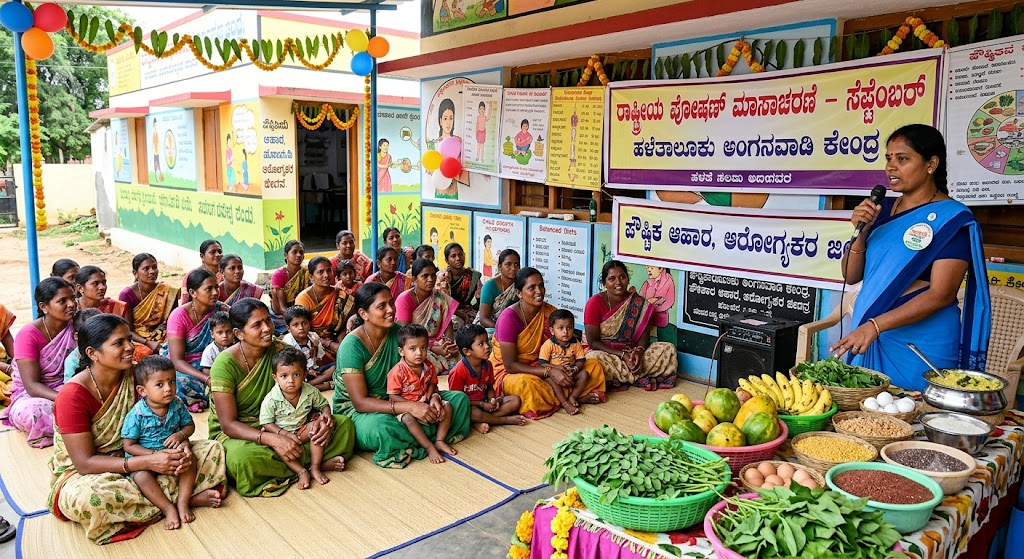
Poshan Month Celebrated at Haletaluku Anganwadi Centre...
Read More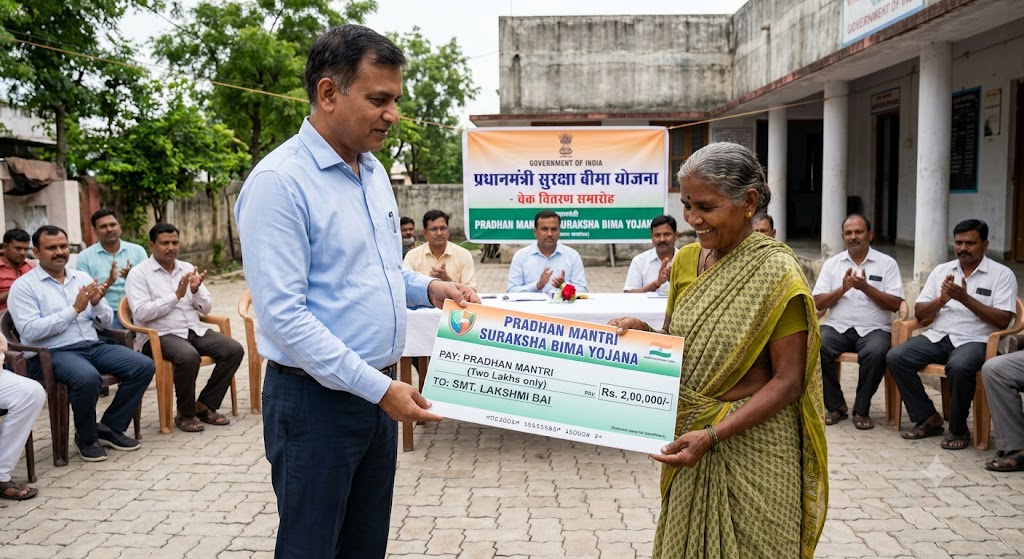
Cheque Distribution under the Pradhan Mantri Suraksha Bima Yojana Scheme...
Read More