

Cheyyandane, Aug. 11: The traditional ritual called Kalanja Kali, Kakkadatha Jji is still practiced in the rural village of Nariyandada in Cheyyandane, Kodagu.
Kalanja Kali, Kakkadatha Jji was practiced in Kodagu since time immemorial. But today it is on the verge of disappearing. It is losing all its rituals. There is no worship or penance in the temples of Kodagu during the month of Kakkad. The Palampale community, one of the original inhabitants of Kodagu, has been practicing the Kalanja Kali, Kakkadatha Jji ritual since ancient times.
The Palampale community, who live in the Termekadu Paisari of Nariyandada village, has been practicing this ritual. There are three disguised people in this festival. There are 3 disguised people, namely, Ajji, Dodda Kalanj, and Sanna Kalanj. The Ajji disguised person paints his face, ties a bandana on his forehead, wears a red garment, and holds a lick of greens in his hand. Dodda Kalanj paints his entire body black, holds a stick in his hand, and wears a wooden mask. Sanna Kalanj has black paint all over his body, and wears a black mustache.
On the first day, he dresses up as a Kalanj, worships at the Bhagavathi temple, and goes to the house of the village headman with the Chande instrument, singing,
Oh Kalanj, Paronthu Bal O Kalanj, Nalithonthu Bal O Kalanj, Kullonthu Bal O Kalanj, Buroonthu Bal O Kalanj, Anchi Inchi Tuonthu Bal O Kalanj... and dances, stepping to the sound of the Chande. Then they go from house to house and receive rice grains from them. Elders say that they wear this costume with the intention of getting good fortune for the village and the country, preventing diseases, and removing the evil eye of the people of the village. These disguised people wear the costume for about 7 days and on the first day they visit the Arapattu Bhagavathi temple, on the second day they visit the Ponnola temple in Chelavara village, on the third day they visit the Kirundadu temple, on the fourth day they visit the Kokeri Bhagavathi temple, on the fifth day they visit the Nariyandada Bhagavathi temple and then they go around all the villages and receive the Dhan Davasa grains from them and celebrate for 7 days and open this festival. In the past, this festival was celebrated by the Palampale community in all the villages of Kadiyatt Nadu.
The disguised people belong to the Tulu speaking community. After donning the costume, they bless the devotees. Along with the costumed men, Chande and two women carry a kukke on their heads and go around the village with them, receiving donations of rice, jaggery, pepper and salt from the people.
This celebration is led by Ganesh and Sommaiah, the heads of the palace community.
Route of the group
On the 11th, they went to the Arapattu Bhagavathy temple and visited the houses of the deities Mukkattira, Kodira, Annambir, Nambiyapada, Bidderiyanda Ainmane and Nellachanda Kiran Kariappa.
On the 12th (today), they will go to Chelmanda, Nerapanda, Pandada, Aithichanda Ainmane.
On the 12th (today), they will go to On 13th go to Chelavara, Ponnola, Pudiodi temple and then go to Deva Takkara Ammangad Nanda Kumar, Hosoklu Ainmane, Bachamanda, Nariandada Ainmane, Bhagwati Temple and go to Deva Takkara Bovverianda Ainmane, Cheyyanda, Kolira, Makkimane, Mundiyola Aada Papu Machiah's house.
On the 14th Kirundadu Bhagwati temple, deities Mukkatira, Mukkati, Nalianda, Natolanda, Bottolanda, Tapanda will go home.
On 15th Kokeri will go to Bhagwati Temple, Devatakkara Mudera, Chenanda, Kummanda, Machhanda, Biddanda, Cheruvalanda, Beliyandra houses.
On the 16th and 17th, we will visit the houses of Manhapur, Pokkulandra, Thotambailu, and Beliandra and conclude with the Ajji Puja that night.The ancient Kalanja Kali and Kakkadatajji rituals are fading away due to the pretense of modernity. This needs to be preserved. Only then can the art, culture, customs, ideas, and rituals of ancient times survive.
Disclaimer: This article has been translated by xklsv.com using advanced AI-based translation tools. Please note that the use of AI for translation is still experimental and may not be 100% accurate. The original content is sourced from shakthidaily.info, and Shakthi Daily is not responsible or liable for any errors, omissions, or inaccuracies that may appear in the translated version, including spelling, grammar, or contextual misunderstandings.
If you come across any mistakes or inconsistencies in this translation, we kindly request you to report them by sending an email to [email protected]
Your feedback will help us improve the quality.
The image in this article has been generated using artificial intelligence and is intended for illustrative purposes only. It may not reflect real-world accuracy
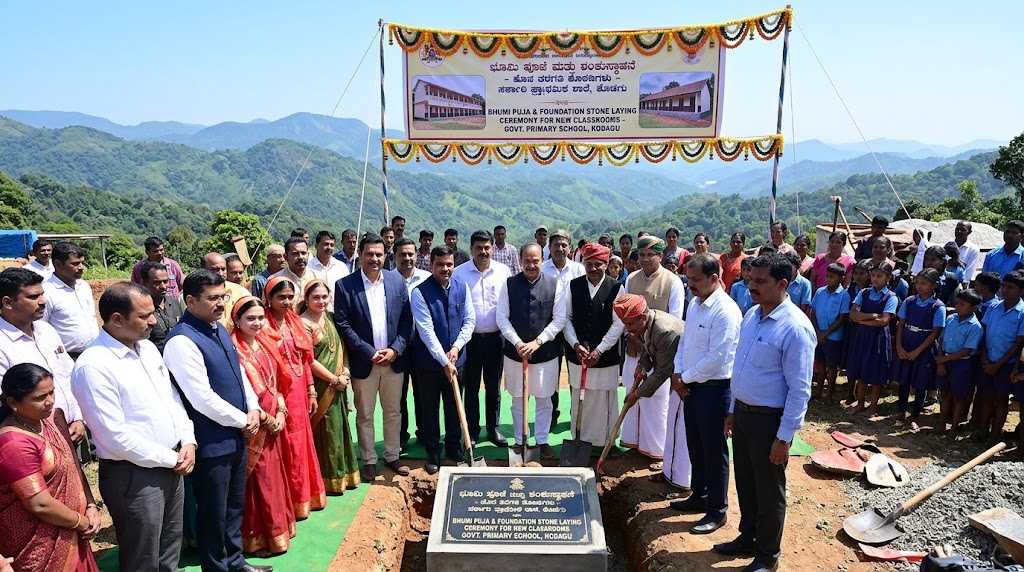
Foundation Stone Laid for New Classrooms Worth ₹1.70 Crore...
Read More
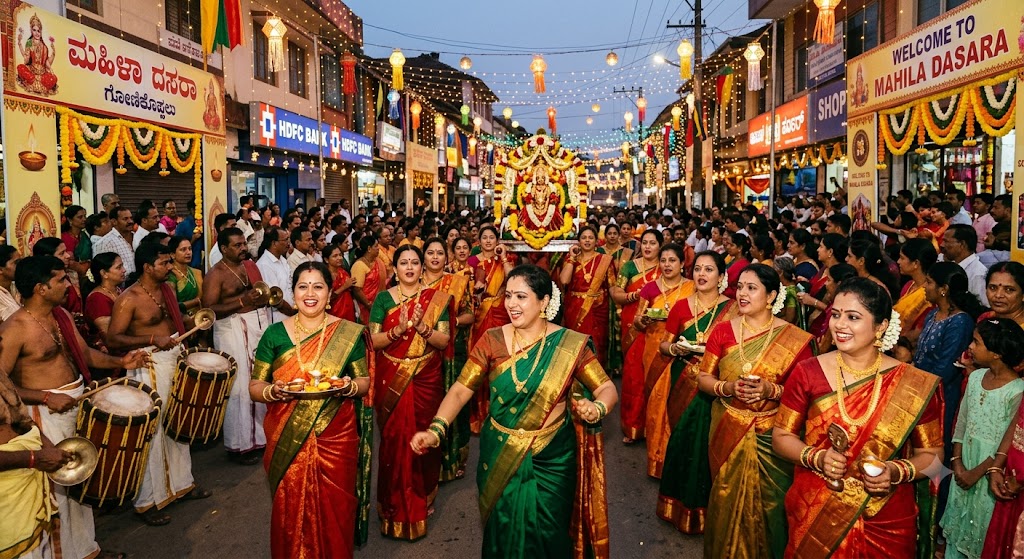
Gonikoppal Celebrates Mahila Dasara (Women's Dasara)...
Read More