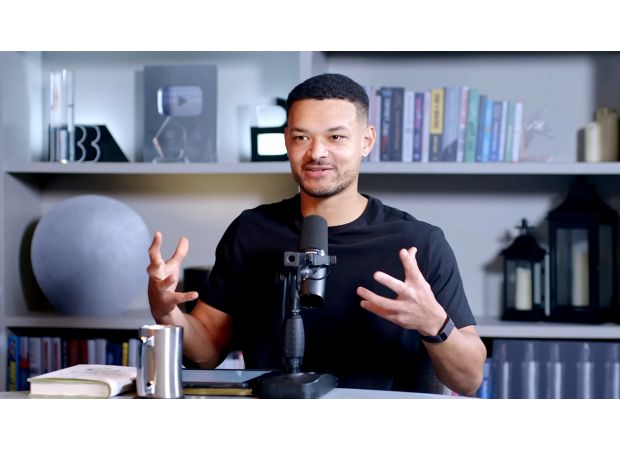
The popular podcast, The Diary of a CEO, hosted by Steven Bartlett, has recently faced criticism for its shift in tone and content. What was once known for its thoughtful discussions on self-improvement and success, is now being accused of promoting darker and misogynistic ideas without proper challenge. Even fellow celebrities, such as Oti Mabuse, Vicky Pattison, Ulrika Jonsson, and Greg James, have joined the ranks of critics, commenting on a viral TikTok video that called out Bartlett's podcast.
Since its inception in 2017, The Diary of a CEO has gained a large following by featuring Bartlett as a calm and insightful interviewer, discussing topics such as burnout, anxiety, and personal and business success in a therapeutic manner. This approach has set the podcast apart from the more aggressive voices in the male self-help space. However, recent episodes have sparked concerns that Bartlett may be amplifying misogynistic ideas without proper challenge, with critics warning that his measured and non-controversial presentation makes these ideas even more insidious.
The latest backlash stemmed from an end-of-year episode featuring lifestyle podcaster Chris Williamson, where the two discussed declining birth rates. The conversation framed women's independence, access to contraception, and changing social expectations as potential explanations for the decrease in childbirths. Williamson went further to suggest that an "anti-family" attitude among women was to blame, singling out a TikTok creator who had listed reasons for not wanting children and seemingly mocking her decision. This exchange quickly spread on social media, with listeners and now celebrities accusing the podcast of belittling women's reproductive choices and reducing complex social issues to grievances against feminism.
Online creator Shabaz Ali has emerged as a prominent voice in calling out the podcast's direction. In a widely shared video, he expressed concerns that The Diary of a CEO now presents "manosphere ideas wrapped in a hug and a ring light." He warned that the podcast's measured tone can make harmful narratives seem reasonable and downplay their extreme nature. "This podcast used to be about mindset, trauma, and growth," Shabaz stated. "Now it feels like women are being blamed for men's problems."
The controversy extends beyond one episode, as a resurfaced clip from an earlier interview with psychiatrist Alok Kanojia has reignited anger. In the interview, Bartlett asked whether society should "put systems in place" to help lonely men or self-described "incels" find partners. Critics argue that this discussion treated women as an abstract solution to male dissatisfaction, without acknowledging consent or autonomy.
Shabaz continued to address the controversy in his video, calling out Bartlett's podcast for its "therapy vibe" and likening it to a Trojan horse. His criticism received support from high-profile figures, including Oti Mabuse, Vicky Pattison, Ulrika Jonsson, Ferne McCann, Sara Cox, and The Traitors finalist Charlotte Chilton. Radio 1 presenter Greg James was blunt in his response, stating that the podcast had been "hurtling" in this direction for some time. "What's everyone's favorite episode?" he sarcastically questioned. "Mine is the one where an 'expert' claimed autism could be reversed through diet. Oh, and the one that said Covid was an engineered weapon. Neither claim was challenged. Great stuff."
This backlash against Bartlett and his podcast is not happening in a vacuum. According to Amelia Whitworth, Head of Policy, Campaigns & Youth at Plan International UK, there has been a surge in online content that claims to address men's issues but instead promotes harmful and misogynistic attitudes. Whitworth believes that this content taps into real fears and anxieties that men may experience but twists them to push ideas that ignore or dismiss the challenges faced by women.
As the controversy surrounding The Diary of a CEO continues to grow, it serves as a reminder that even well-intentioned content can have harmful effects if not carefully examined and challenged. The podcast's millions of daily listeners highlight the responsibility that content creators have in promoting positive and inclusive discussions. It also serves as a call to action for society to address and combat the deeply ingrained misogyny that still exists.
Celebrities and fans alike are voicing their concerns about the recent shift in tone of Steven Bartlett's popular podcast, The Diary of a CEO. The once thoughtful and introspective show has been accused of taking a darker turn, with many criticizing Bartlett for amplifying harmful ideas without challenge.
Even fellow celebrities, such as Oti Mabuse, Vicky Pattison, Ulrika Jonsson, and Greg James, have joined in the criticism after a viral TikTok video called out the podcast. Since its inception in 2017, the podcast has gained a large following by featuring Bartlett as a calming and empathetic interviewer, discussing topics such as burnout, anxiety, and success in business and personal life.
For years, this approach set The Diary of a CEO apart from other more aggressive voices in the male self-help space. However, recent episodes have sparked concern that Bartlett is promoting misogynistic ideas without proper consideration, using a measured and non-controversial tone to make them seem reasonable and insidious.
The latest backlash was triggered by an episode with lifestyle podcaster Chris Williamson, where they discussed declining birth rates. The conversation framed women's independence, access to contraception, and changing social expectations as potential reasons for the decline. Williamson even suggested that women's "anti-family" attitude was to blame, mocking a TikTok creator's decision not to have children.
This exchange quickly spread on social media, with listeners and celebrities alike accusing the podcast of diminishing women's reproductive choices and oversimplifying complex social issues as a feminist grievance. Online creator Shabaz Ali became one of the most vocal critics, calling out the podcast's new direction in a widely shared video.
In his video, Shabaz expressed concern that The Diary of a CEO now presents "manosphere" ideas in a more palatable way, using a therapy-like approach. He also noted that the podcast used to focus on mindset, trauma, and growth but now seems to blame women for men's problems.
The backlash extends beyond one episode, with a resurfaced clip from an earlier interview with psychiatrist Alok Kanojia reigniting anger. In the clip, Bartlett asks if society should "put systems in place" to help lonely men or self-described "incels" find partners, treating women as a solution to male dissatisfaction without acknowledging consent or autonomy.
Shabaz's video received support from high-profile figures, including Oti Mabuse, Vicky Pattison, and Ulrika Jonsson, who expressed their disappointment with Bartlett's podcast. Others, such as Ferne McCann, Sara Cox, and The Traitors finalist Charlotte Chilton, also publicly backed the criticism.
Radio 1 presenter Greg James was particularly blunt, calling out the podcast for promoting harmful ideas without challenge, such as claims that autism can be reversed through diet or that COVID-19 is a manufactured weapon.
This backlash is happening in a larger context, with Plan International UK's Head of Policy, Campaigns & Youth, Amelia Whitworth, noting a surge in online content that claims to address men's issues while actually promoting harmful attitudes towards women. This content preys on men's fears and anxieties, twisting them to push misogynistic ideas that ignore the challenges faced by women.