


A successful commercial property begins long before the first foundation is poured. The land, development plan, intended use, site potential, design, budget, approvals, and construction strategy all play a role in determining what a project can ultimately become.
For developers in British Columbia, bringing these elements together requires a clear understanding of both development and construction. A project may begin with a promising piece of land, but turning that opportunity into a functional commercial property requires careful decisions at every stage.
Hilson Development takes a development-focused approach that connects planning, land development, and construction execution to the broader objectives of each project.
Turning Land Into Commercial Opportunity
Land has potential, but potential alone does not create a successful development.
Before construction begins, developers need to understand what can realistically be achieved on a property. Site characteristics, permitted uses, access, infrastructure, building requirements, market needs, and financial considerations can all influence the direction of a project.
This makes commercial land development British Columbia a process that requires both a long-term view and attention to practical details.
The goal is to move from:
Land → Planning → Development → Construction → Usable Commercial Property
Each stage needs to support the next.
Why the Early Development Stage Matters
Many important project decisions are made before construction starts. This is where developers can establish the direction of the project and identify issues that may affect its future.
Early development considerations can include:
Addressing these areas early can give the project a stronger foundation before significant resources are committed to construction.
The Role of a Construction Company in British Columbia
Once development planning moves toward execution, the construction team becomes responsible for turning the approved plans into a physical property.
A professional construction company British Columbia developers work with should understand that construction is connected to everything that happened before it.
The drawings, specifications, schedule, materials, site conditions, contractors, and project budget all need to work together.
This requires more than completing individual construction tasks. It requires coordination between multiple teams and continuous attention to how decisions affect the overall project.
Commercial Projects Need Commercial Thinking
A commercial property is built to serve a purpose.
It may be designed for businesses, tenants, customers, employees, industrial operations, retail activity, or a combination of uses. The building therefore needs to work not only as a structure but also as a functional environment.
Commercial development decisions can influence:
A commercial construction company British Columbia developers choose should understand these practical considerations and keep the intended use of the property in mind throughout the project.
Connecting Land Development With Construction
One of the biggest advantages of a connected development approach is that land and construction decisions can be considered together.
For example, a site's characteristics may influence the building design. The design may affect construction costs. Construction requirements may influence the project schedule. The final building layout may affect how businesses use the property.
When these decisions are considered independently, opportunities for better coordination can be missed.
When they are considered as parts of one development process, the project team can make decisions with a clearer understanding of the bigger picture.
British Columbia Projects Require Local Understanding
British Columbia offers a wide range of development environments, from established urban areas to growing commercial regions. Project requirements can vary significantly depending on the location and type of development.
A development team needs to account for the specific conditions surrounding each property rather than assuming that the same approach will work everywhere.
This is particularly important for commercial land development, where early decisions about a site can influence everything that follows.
Local project knowledge can help teams understand the importance of planning, coordination, timelines, site requirements, and the practical realities of getting a development from an initial concept to a completed property.
What Makes the Best Construction Company in British Columbia?
The phrase best construction company British Columbia does not have one universal answer.
The best partner for a developer depends on the project's location, size, property type, complexity, budget, schedule, and development objectives.
Instead of focusing only on company size or general reputation, developers should evaluate:
Experience
Does the company have experience relevant to the type of project being planned?
Project Coordination
Can it effectively coordinate contractors, consultants, suppliers, and other stakeholders?
Communication
Does the project team provide clear information and respond when important decisions are required?
Planning
Does the company consider scheduling, procurement, site conditions, and construction requirements before work begins?
Problem Solving
Can the team respond practically when unexpected conditions arise?
Quality
Does the company maintain attention to quality throughout the project rather than focusing only on completion?
These factors can provide a much better basis for selecting a construction partner.
Commercial Land Development Is a Long-Term Investment
Developing commercial land is rarely just about what happens during construction.
The finished property may remain in operation for decades. Businesses may occupy the space, tenants may change, and the needs of the property may evolve over time.
That makes long-term thinking important.
A development should be considered in terms of how well the finished property can serve its purpose, how efficiently the space can be used, and how the decisions made during development may influence the property's future.
For developers, this means looking beyond the immediate construction budget or completion date and considering the broader value of the development.
Managing the Journey From Concept to Completion
Commercial development can involve a large number of decisions and stakeholders. Keeping these elements connected is one of the most important responsibilities of a development team.
The process can include:
Opportunity Identification
Understanding the potential of a site and the purpose of the proposed development.
Planning
Establishing the project's scope, priorities, feasibility, and development direction.
Design and Coordination
Developing plans that reflect both the property's purpose and practical requirements.
Pre-Construction
Preparing schedules, budgets, procurement plans, contractor requirements, and site strategies.
Construction
Coordinating the physical work and monitoring progress against project objectives.
Completion
Preparing the finished property for its intended commercial use.
A connected process makes it easier to understand how decisions at one stage can influence the next.
A Different Way to Look at Commercial Development
The strongest developments are not necessarily the ones with the most complicated plans. They are the ones where the important decisions make sense together.
The land should support the development.
The development should support the intended use.
The design should support the development objectives.
The construction should support the design.
And the finished property should support the businesses and people who will ultimately use it.
This simple connection can make a major difference to how a commercial project is approached.
Hilson Development and the Bigger Picture
Hilson Development approaches commercial projects with an understanding that construction is part of a much larger development journey.
From the early stages of considering a property through planning, coordination, construction, and completion, the focus remains on creating a process that supports the project's objectives.
Hilson combines practical project execution with a broader development perspective, helping connect the different elements that contribute to a commercial property's success.
For developers exploring commercial land development British Columbia or looking for a commercial construction company British Columbia, having a partner that understands the relationship between land, planning, construction, and long-term property use can provide a stronger foundation for the project.
A piece of land becomes valuable when it is developed with purpose. With thoughtful planning and disciplined execution, that potential can become a commercial property designed to serve businesses, communities, and long-term investment goals.
Frequently Asked Questions
What does a construction company in British Columbia do?
A construction company in British Columbia can manage and execute different stages of building projects, including site preparation, construction coordination, contractor management, scheduling, quality monitoring, and project completion. The exact services depend on the company's capabilities and the requirements of the development.
What is commercial land development in British Columbia?
Commercial land development involves preparing and developing land for commercial use. Depending on the project, it can involve site planning, feasibility considerations, approvals, infrastructure, design, construction, and preparing the property for its intended business or investment purpose.
Why is planning important in commercial land development?
Early planning helps developers understand the potential and limitations of a site before major construction commitments are made. It can also help establish project objectives, budgets, timelines, design requirements, infrastructure needs, and construction considerations.
What should I look for in a commercial construction company in British Columbia?
Consider relevant commercial experience, project coordination, communication, planning capabilities, scheduling, quality practices, contractor management, and the company's ability to understand the specific requirements of your property and development.
What types of commercial properties can be developed in British Columbia?
Commercial development can include office buildings, retail spaces, industrial properties, mixed-use developments, business facilities, and other commercial projects. The appropriate development approach depends on the site, intended use, local requirements, and project objectives.
How does land development connect with construction?
Land development establishes how a property can be planned and prepared for its intended use, while construction turns the approved development plans into a physical property. Decisions made during land development can directly influence building design, site work, costs, scheduling, and construction requirements.
What makes the best construction company in British Columbia?
The right construction company depends on the project. Relevant experience, clear communication, effective coordination, quality, practical problem-solving, schedule management, and an understanding of commercial development are important factors when evaluating potential partners.
How does Hilson Development approach commercial projects?
Hilson takes a development-focused approach that connects planning, land development, project coordination, and construction execution. The focus is on understanding the purpose of each project and coordinating its different stages around the owner's broader development objectives.

Over 2,000 Police Personnel Deployed for Madikeri and Gonikoppa Dasara Security...
Read More
Excitement Mounts Ahead of the Grand Vijayadashami Procession...
Read More
Somwarpet Celebrates Ayudha Puja with Grand Festivities...
Read More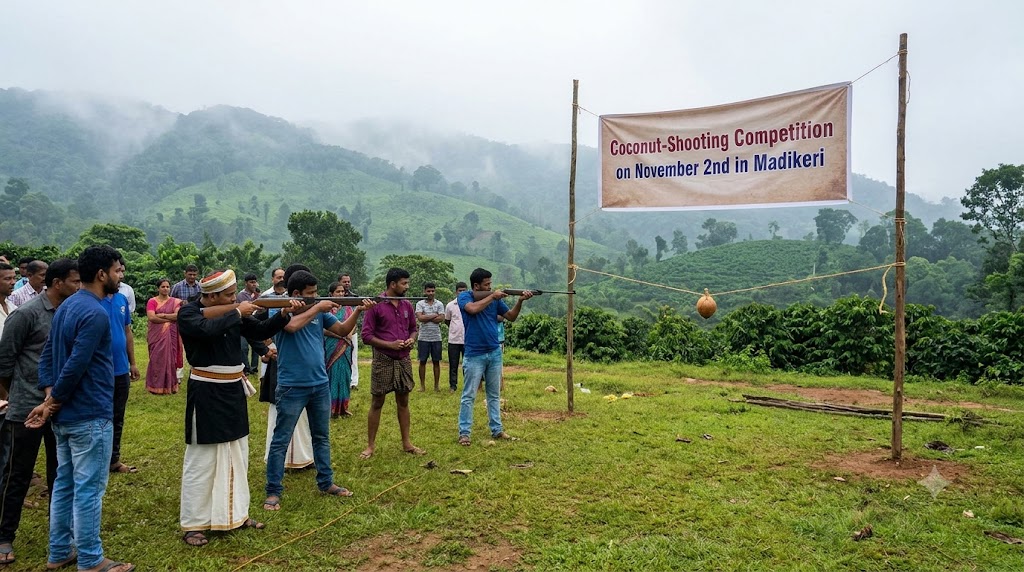
Coconut-Shooting Competition Scheduled for November 2...
Read More