December 1st 2025.
In the bustling city of Bhubaneswar, the Odisha Assembly was filled with chaos on Monday as the opposition staged a walkout and ripped up papers in protest. Despite the commotion, a resolution for implementing a central Act on water prevention was passed by the Assembly.
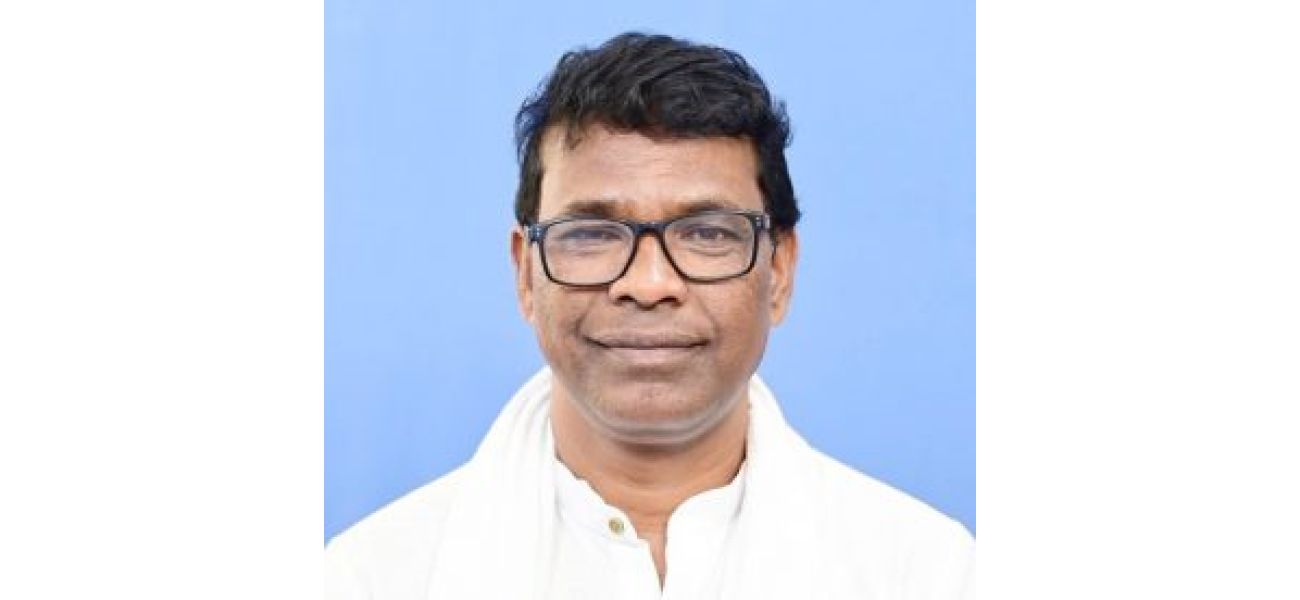
The resolution, proposed by Forest Environment and Climate Change Minister Ganesh Ram Singhkhuntia, was met with strong opposition from the BJD and Congress parties. These parties had previously spoken out against the state cabinet's decision on November 21 to adopt the Water Amendment Act of 2024. This Act aimed to streamline environmental regulations, improve the ease of doing business, and modernize pollution control.
The BJD and Congress members argued that the state's resources were being given away to corporate entities without any regard for the well-being of the people. Ranendra Pratap Swain, an eight-time member of the House, even tore up a copy of the resolution and led a walkout in protest. Both parties eventually left the House, but the resolution was still passed by a voice vote.
Speaking to reporters outside the Assembly, Swain expressed his concerns about the resolution, stating that it would only benefit multinational companies at the expense of the state's natural resources such as forests, water, and minerals. He also criticized the provision in the Act that would protect companies from criminal charges, stating that it goes against the interests of Odisha.
BJD member P K Deb also questioned the government's eagerness to implement the resolution, pointing out that 11% of the country's water resources are located in Odisha. Congress MLA CS Razen Ekka also shared his opposition, highlighting the provision in the Act that allows polluters to escape punishment by paying a mere fine.
In response, the minister defended the resolution, stating that its main purpose is to improve the ease of doing business in the state. He added that the amendment aims to decriminalize minor offences by replacing imprisonment with monetary penalties, clarify the process of appointing the State Pollution Control Board Chairperson, and align Odisha's environmental governance with national standards. These measures are necessary to attract more investments and promote economic growth in the state.
In conclusion, the controversial resolution was passed in hopes of fostering a more business-friendly environment in Odisha. However, it remains to be seen how this will affect the state's resources and the well-being of its people.
[This article has been trending online recently and has been generated with AI. Your feed is customized.]
[Generative AI is experimental.]